Category: Italy

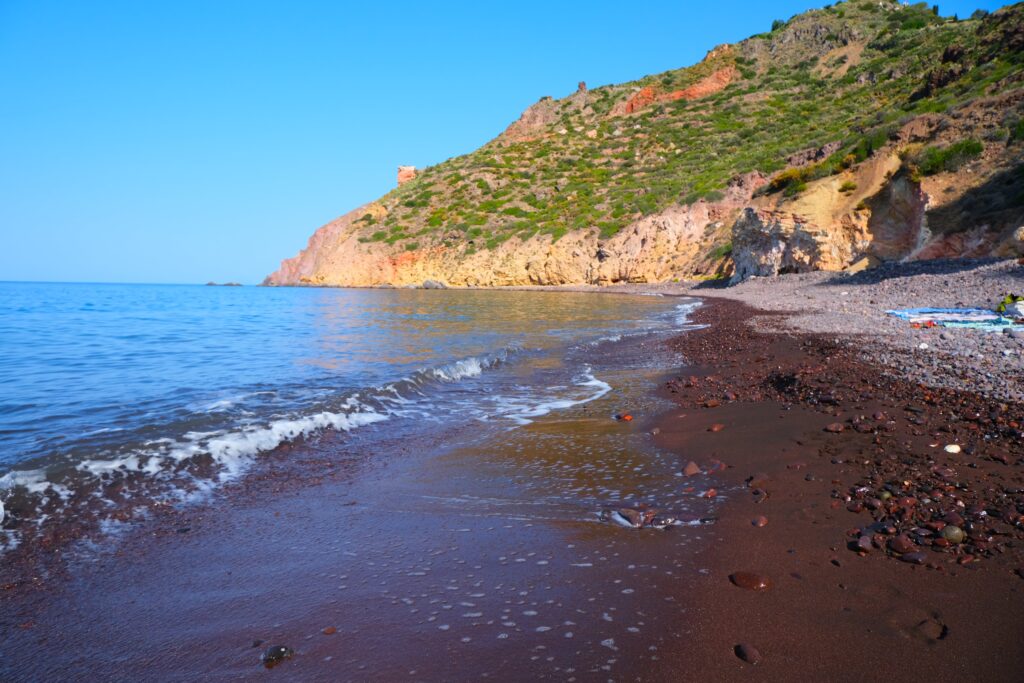
  • Lipari, pearl of the Aeolian Islands

    Lipari, pearl of the Aeolian Islands

    Destinations › Europe › Italy

    Lipari, pearl of the Aeolian Islands

    Beaches, volcanoes and island-hopping off the coast of Sicily.

    TheLionVoyager

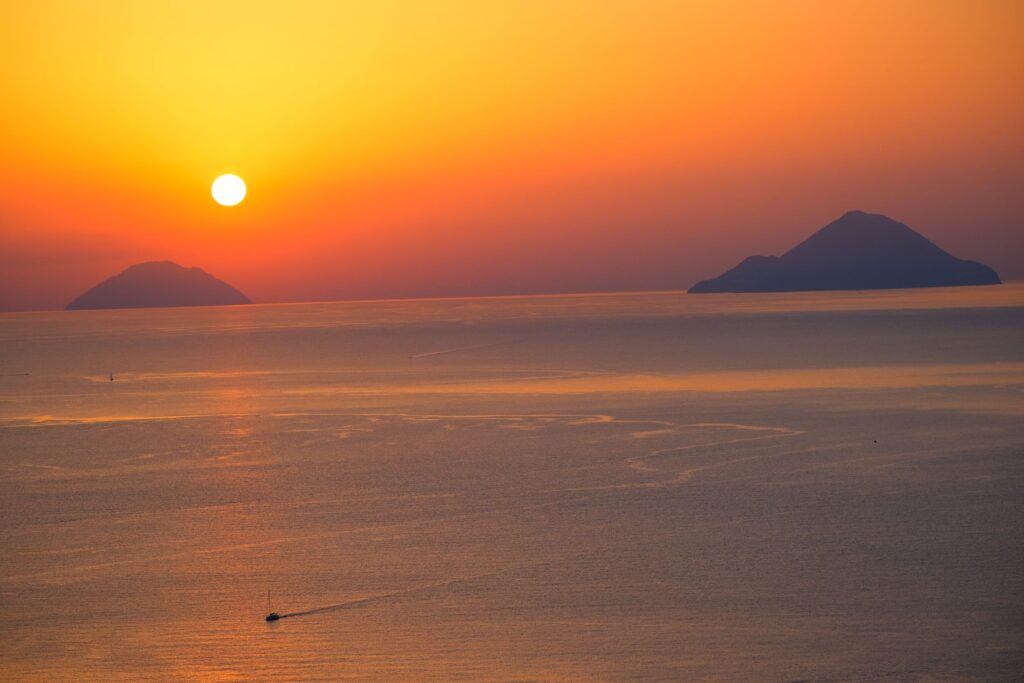
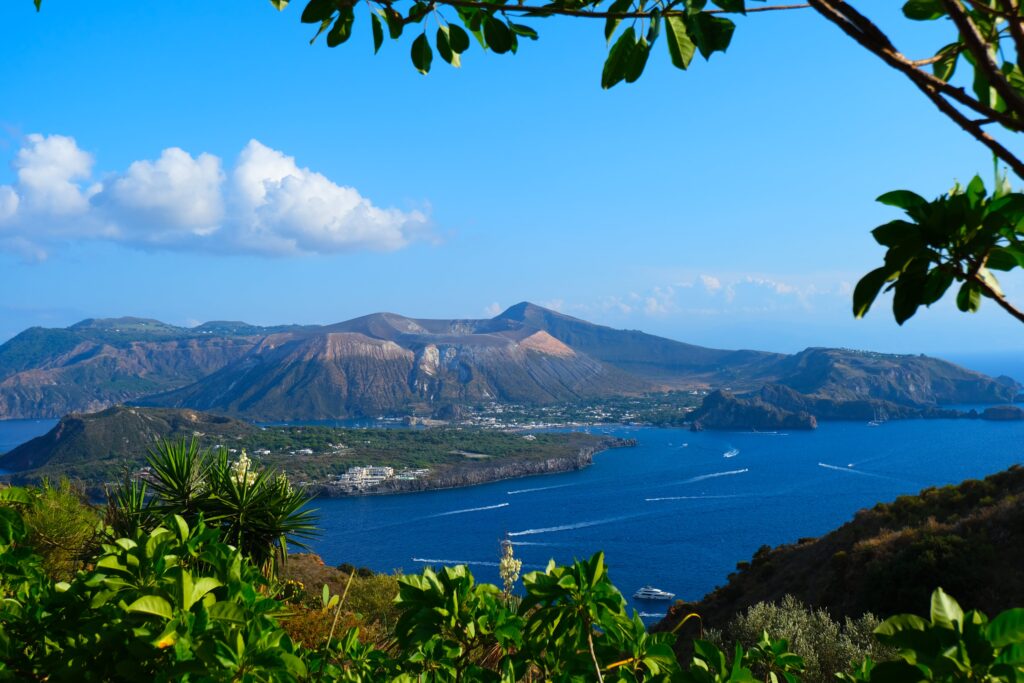
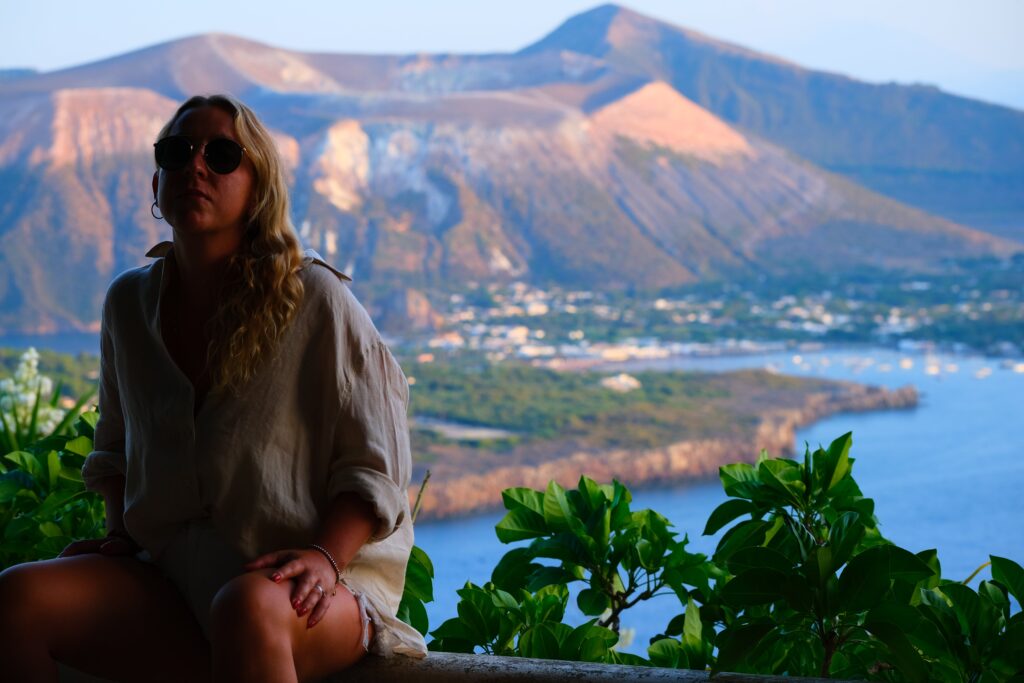
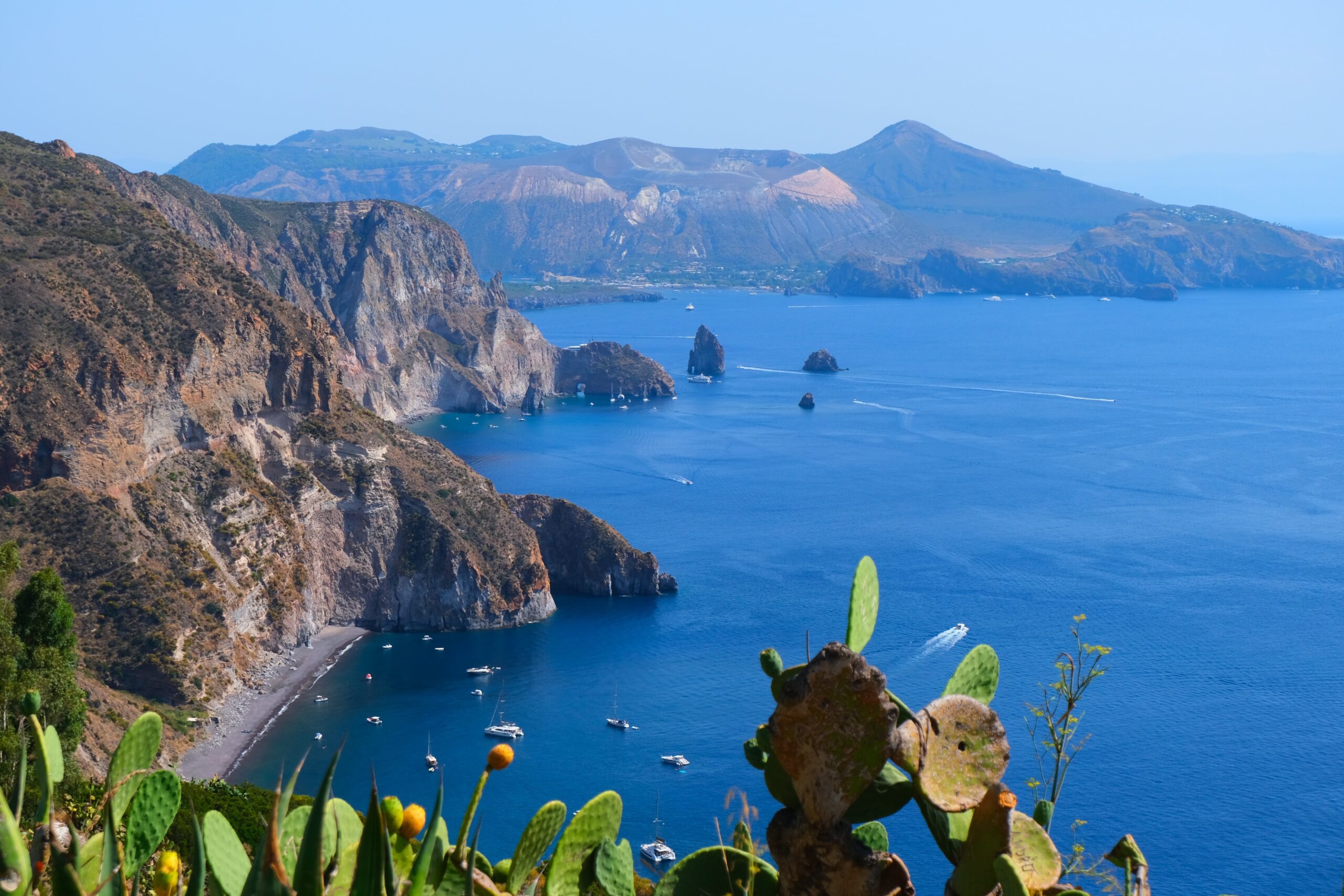
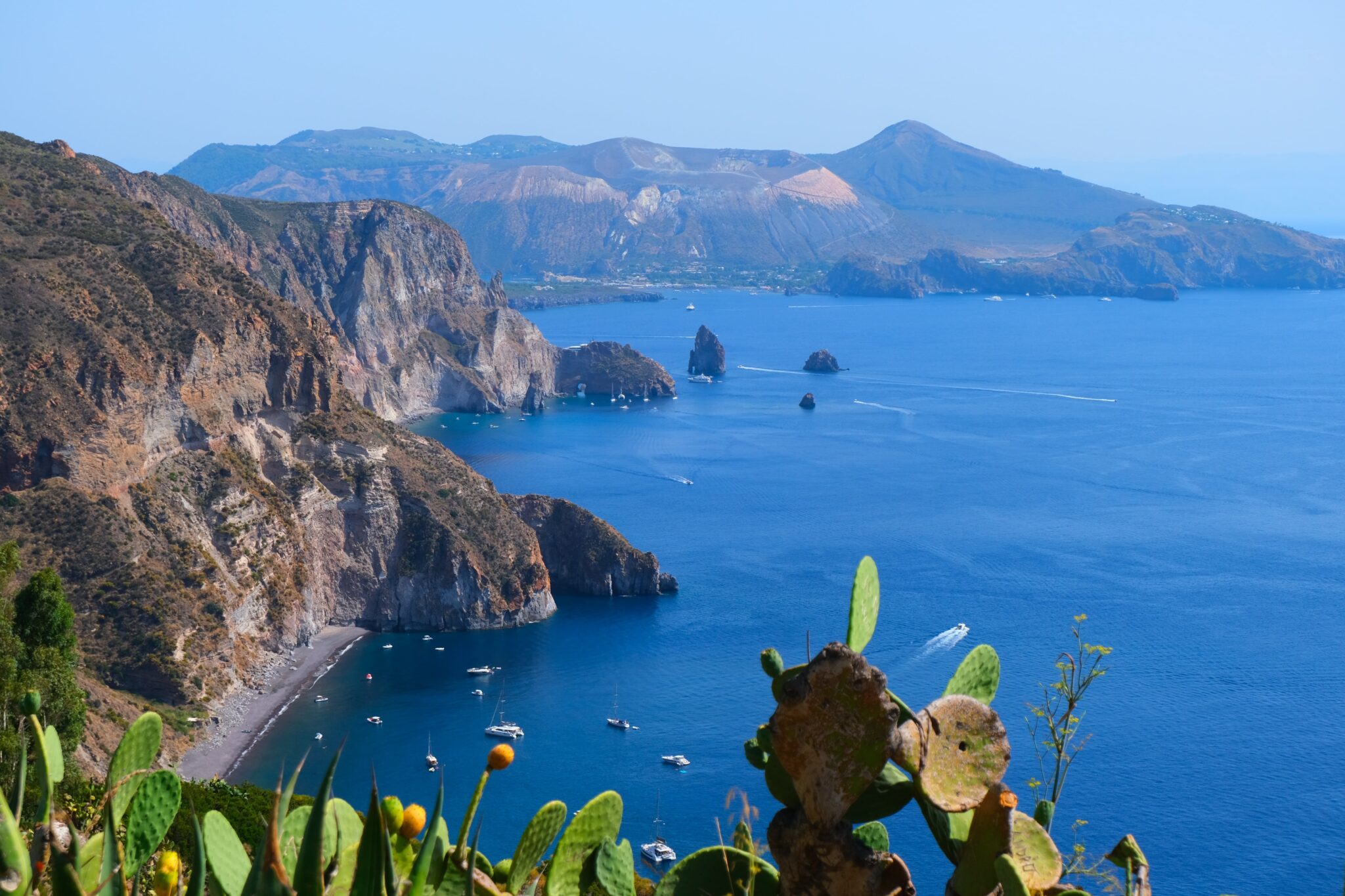
    Lipari is the largest and most populated of the Aeolian Islands (Isole Eolie in Italian), a volcanic archipelago off the coast of Sicily. There are seven gorgeous islands that you can visit: Lipari, Vulcano, Salina, Stromboli, Filicudi, Alicudi and Panarea.The easiest way to get to Lipari or any other island is to take a ferry/ hydrofoils from Milazzo on the north coast of Sicily.We landed in Catania airport with a flight from London, for then drove to Milazzo with a friend’s car. It’s not the best or quick journey go to the Aeolian island, as once you are in Catania airport you still have to drive 2 hours by car and then take the boat for another 2-2 hour and half, but once you get there is very easy and quick to move from one island to another.The ferry will drop you off on the edge of Lipari town, at the Marina Lunga harbour and it is a short walk through the colourful streets to get to the historic harbour area of Marina Corta. Around the harbour area there are lots of restaurants and cafes (my favourite one is ‘La terrazza sul mare’ where you can get the best granita and brioche or ice cream of the island), and is the perfect spot for lunch or a romantic dinner in the evening. Lipari is the most practical base for visiting the Aeolian Islands.Outside the main Italian tourist season (late July – August) Lipari town is large enough not to feel overwhelmed by tourism. It also has a good choice of accommodation for different budgets.

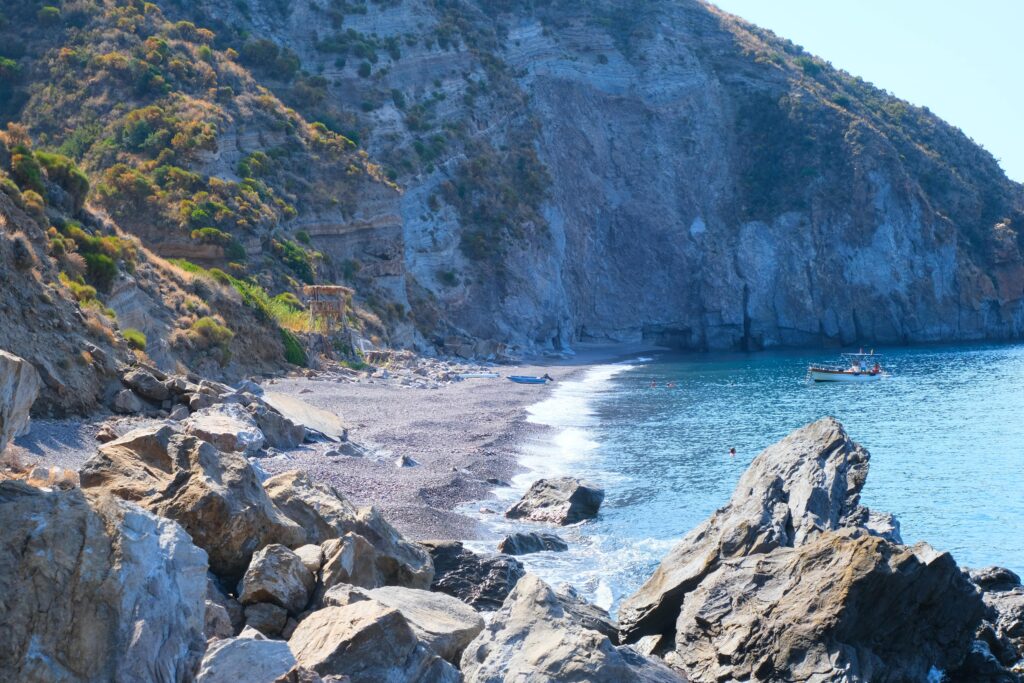
    We stayed in Lipari island for seven nights and each day we were exploring different beaches and islands, to reach the most beautiful hidden gems of each island you will need to rent a boat, as most of them are not accessible by foot/car.

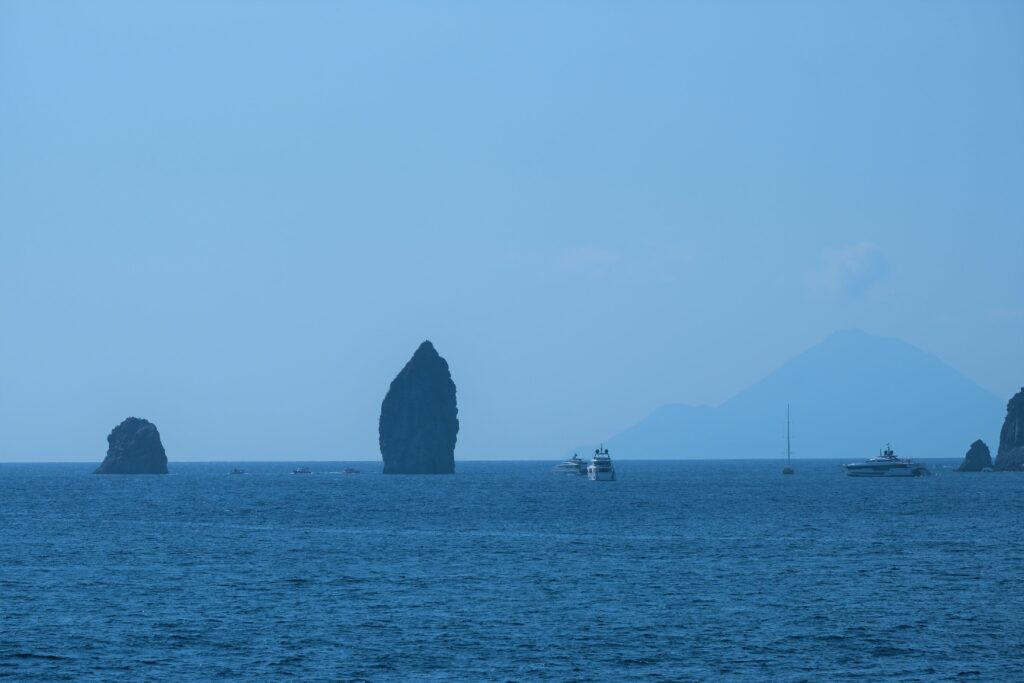
    The island of Lipari has the biggest town of the archipelago, also called Lipari, a lovely busy place with picturesque streets, an attractive harbour and a historic castle-citadel. All seven Aeolian islands have volcanic origins, but only in Vulcano and Stromboli island there are still activities today, while we were in Lipari, Vulcano island was making so much noise:).The last eruption on the island of Lipari took place around 1,400 years ago, and there are currently no signs of volcanic activity other than thermal springs and fumaroles, but the island offer some fantastic scenery like the “I Faraglioni di Lipari”, gorgeous beaches, and the liveliest town of the islands – Lipari is active late into the night (in the summer) and has a very wide selection of bars and restaurants.

    Excursions and boat trips

    There are many organize boat trips departing from Lipari, that will allow you to visit the other Aeolian Islands. During the summer you’re spoiled with choices, outside the peak season you may still find some excursions running. Walking around Lipari town and the harbour, you will see many shops and salespeople that organize boat trips, they are all very similar and have good price. All of the islands are worth visiting, but the most popular excursion is to Stromboli. To visit the active volcano, you can take an early-morning trip to climb the volcano, or a later trip so you will be able also to visit Panarea, and leaves Stromboli after dark, in order to watch the eruptions from the sea. This is a long but exciting excursion, and I would recommend it.

    YOU MAY ALSO LIKE

    THE COMPLETE TRAVEL GUIDE – BARBADOS

    THE COMPLETE TRAVEL GUIDE – WHITSUNDAY ISLAND

    THE COMPLETE TRAVEL GUIDE – WHERE TO GO WHEN
    Tailor-made

    Want this trip, made for you?

    I’ll design your trip to the Aeolian Islands — the route, the right hotels and the experiences that matter, around your dates.

    On this page
    TheLionVoyager

    Written by Graziano
    Travel designer & photographer

    Photo gallery

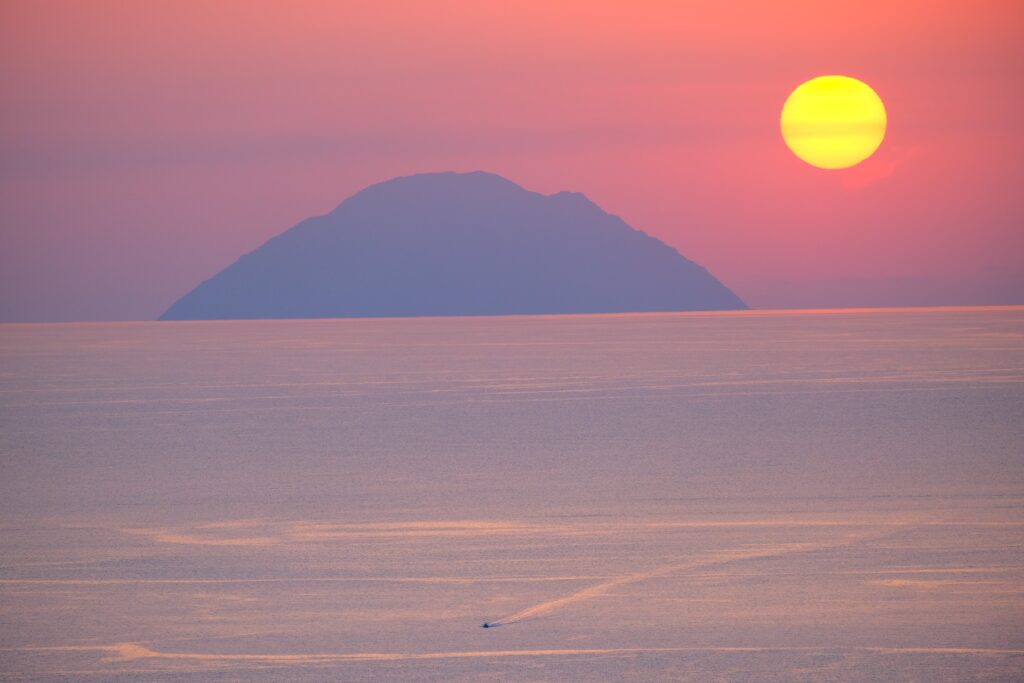
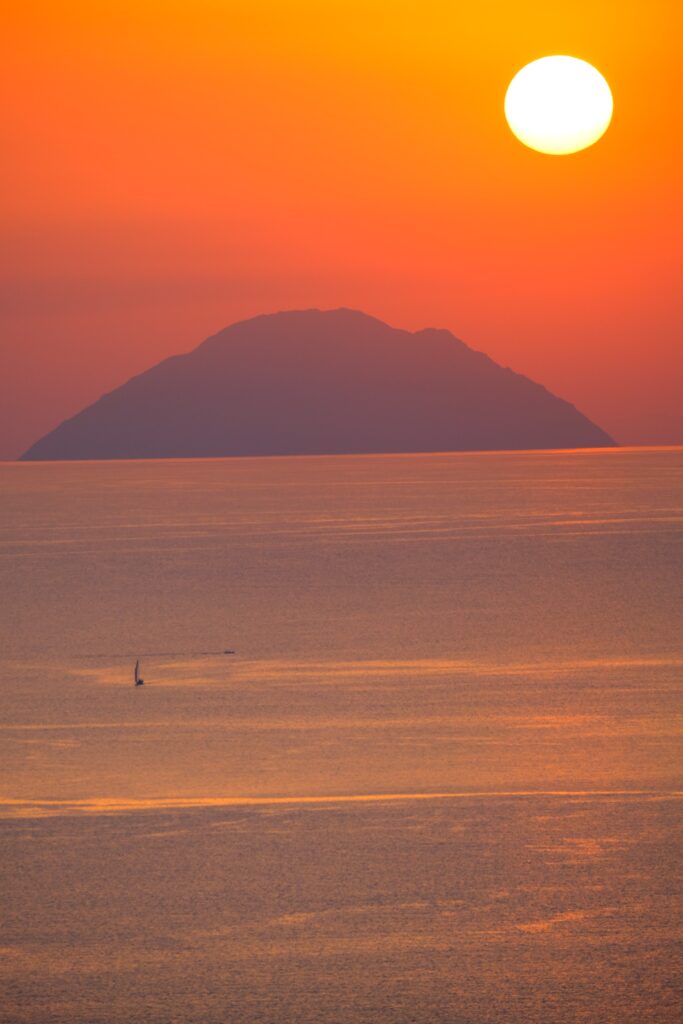
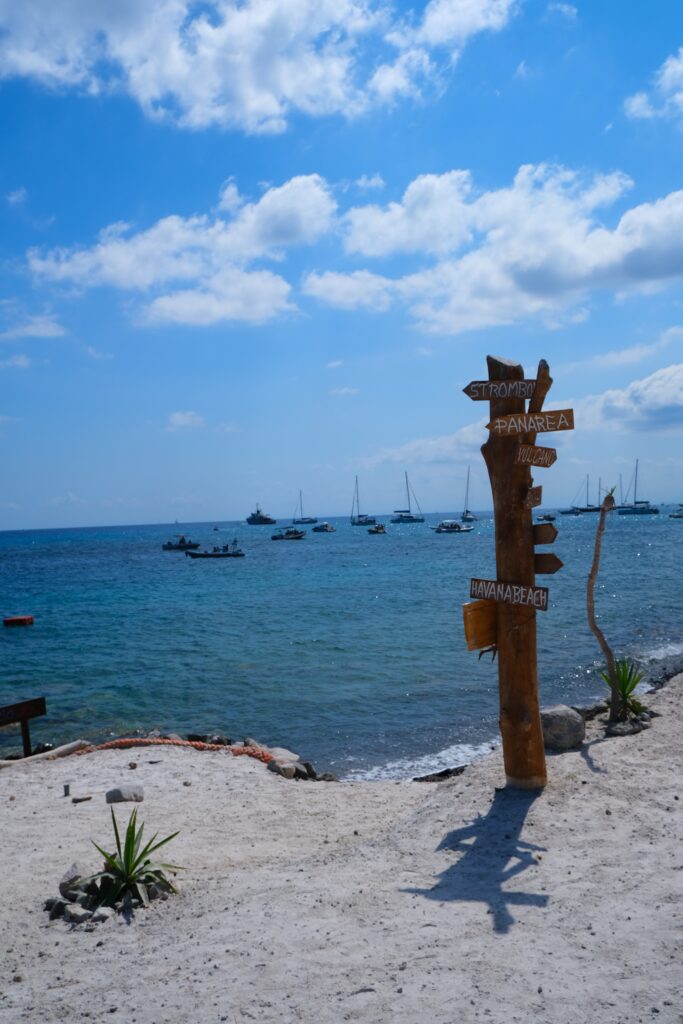
    The island of Lipari, precious pearl of the Aeolian Islands through my lens
  • The Gulf of Orosei, Sardinia

    The Gulf of Orosei, Sardinia

    Destinations › Europe › Italy

    The Gulf of Orosei, Sardinia

    Cala Goloritzè, Cala Luna and Cala Mariolu: the wildest coast of Sardinia.

    How to get there?

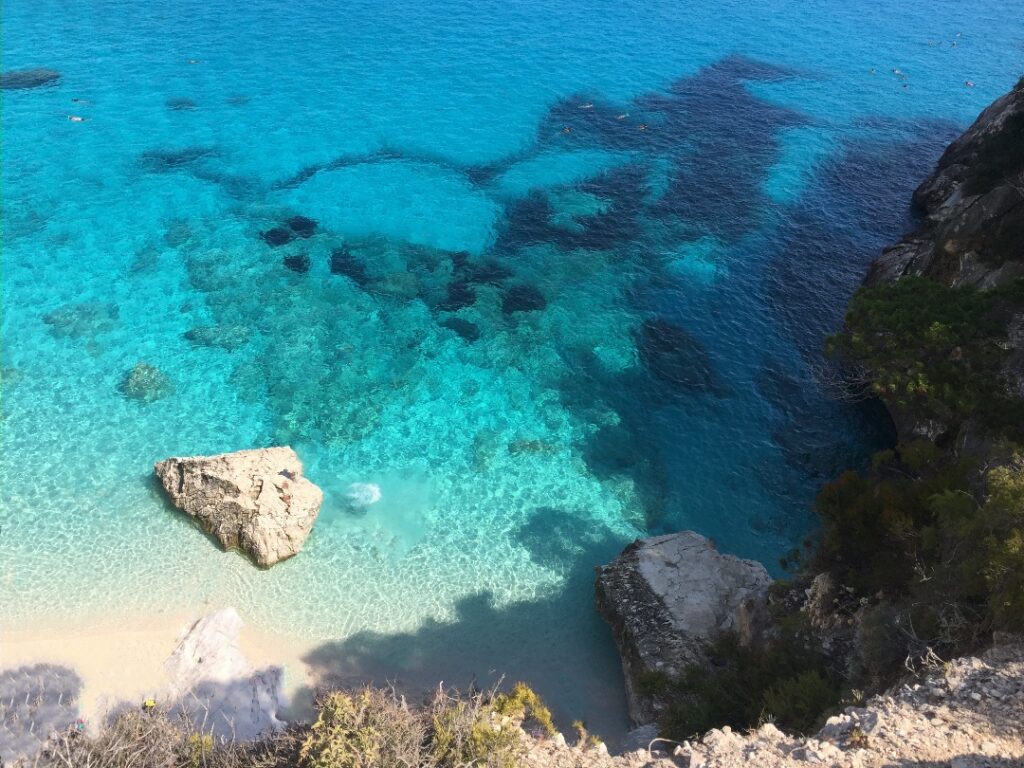
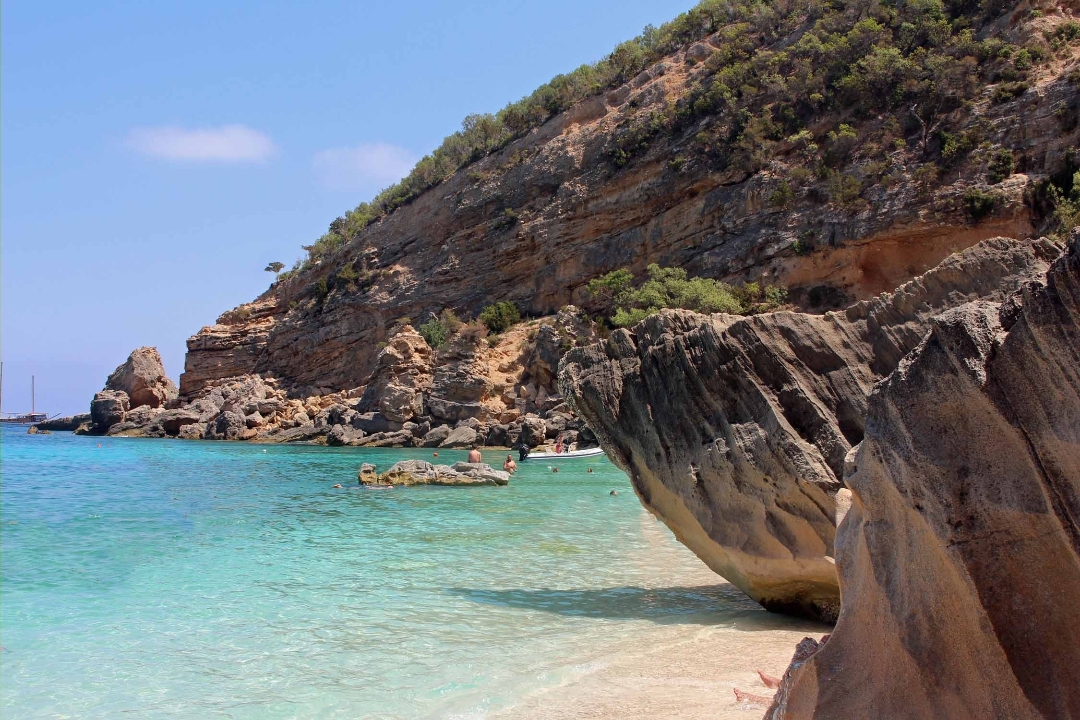
    The Gulf of Orosei is one of the most beautiful and fascinating areas to discover in Sardinia. Situated one hour and twenty minutes south of Olbia and around three hours from Cagliari, this area is a fantastic mix of sea and mountains, a paradise for nature lovers, in the central-eastern part of Sardinia, there is a vast and unspoilt natural complex ready to be explored.We explored this area in the summer of 2017, the best town where to stay is Cala Gonone, we were in “I Ginepri Hotel”, a beautiful structure overlooking the sea. The island of Sardinia in my opinion has some of the most beautiful beaches in Europe, and beaches such as Cala Goloritzè, Cala Luna and Cala Mariolu need to be in the top 20 of the World.The Gulf of Orosei stretches for 30 kilometres on the east coast and here you can find wild and rocky beaches, nearly all of them are only accessible by walking, climbing or by boat, and this is why the bay of Orosei is particularly popular with outdoor lovers and hikers. In the beaches of this National Park there aren’t umbrellas or beach bars, so try to equip your backpack with food and drinks for the day.

    Boat Excursion day trip to discover the Gulf of Orosei

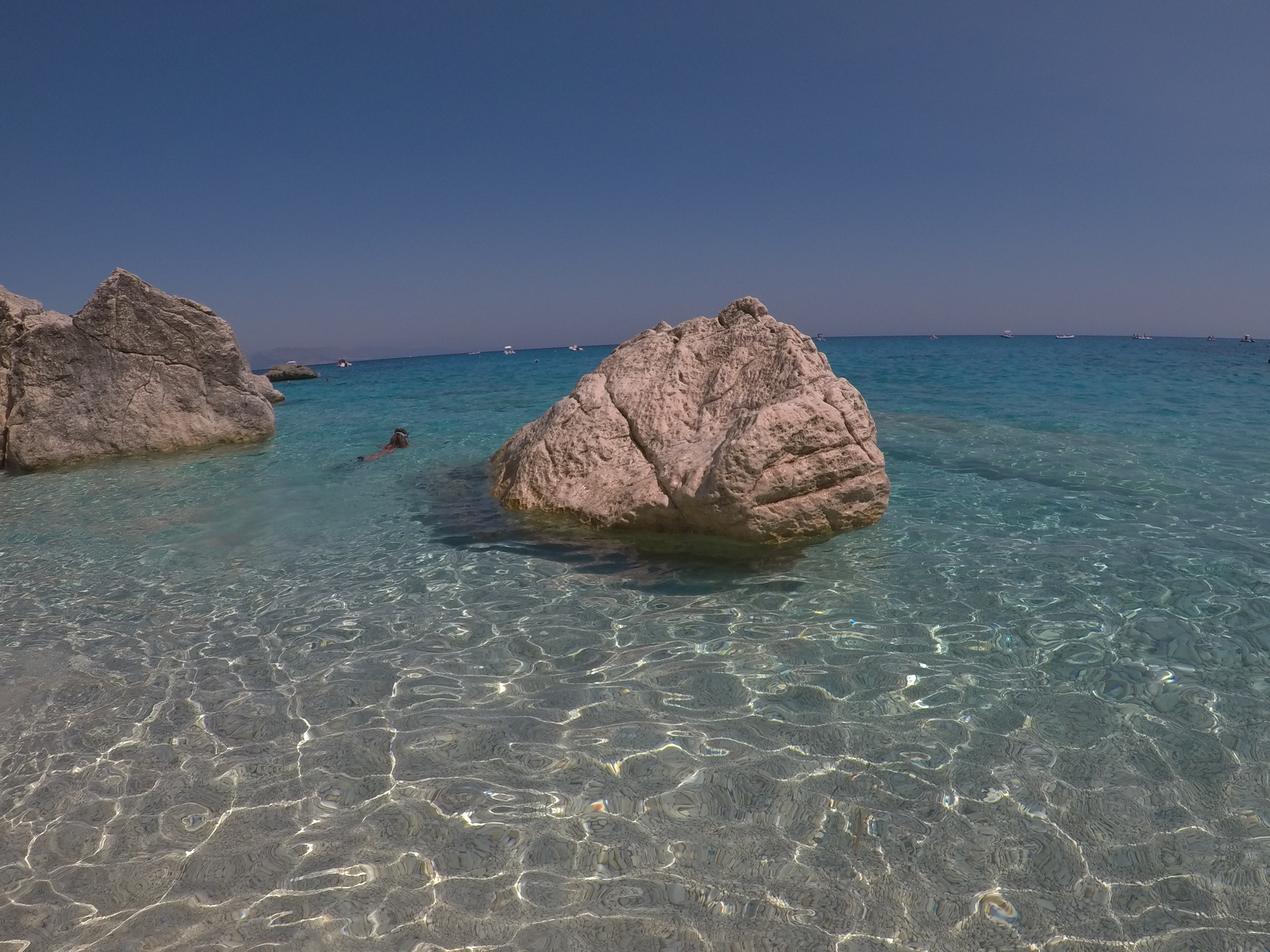
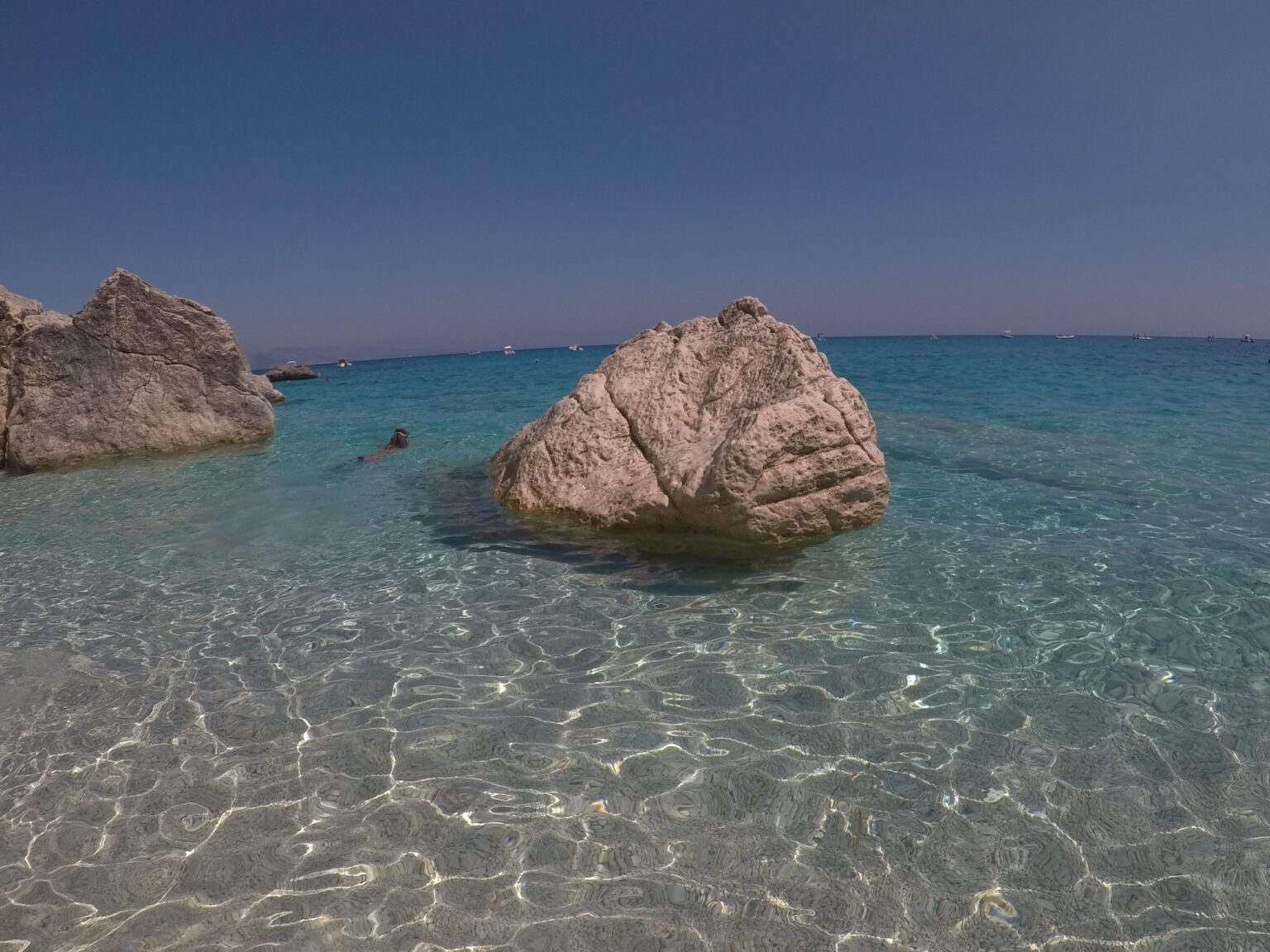
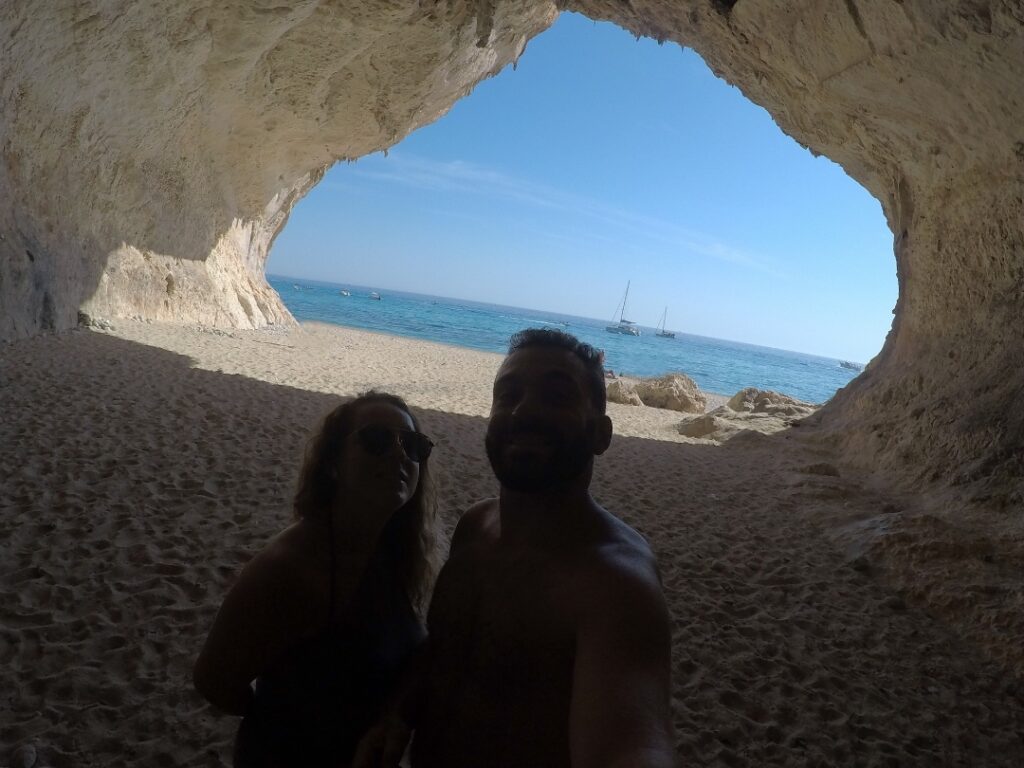
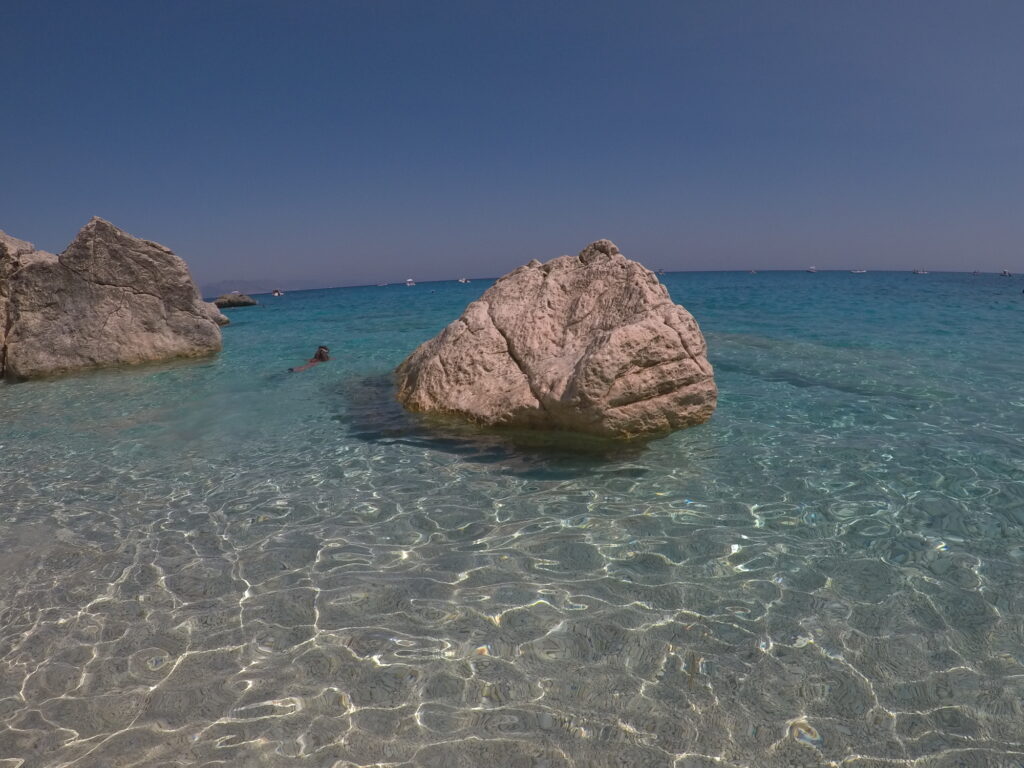
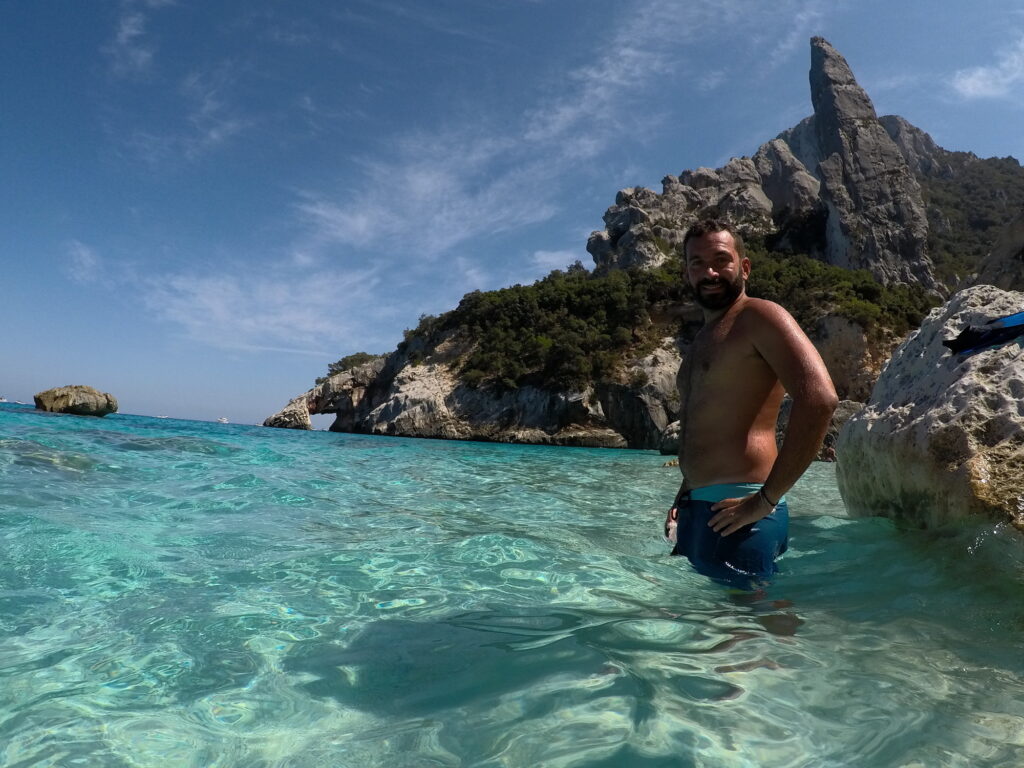
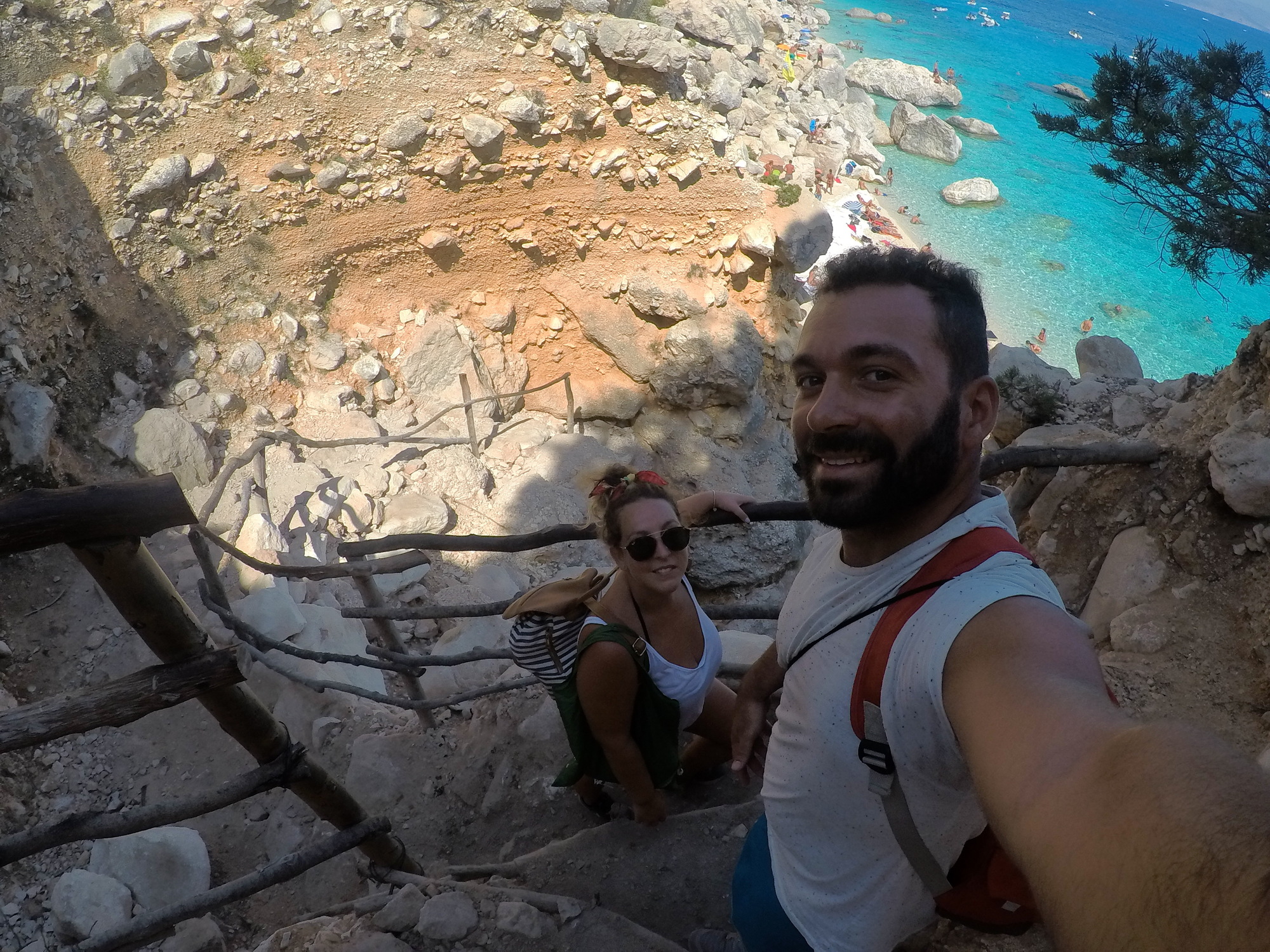
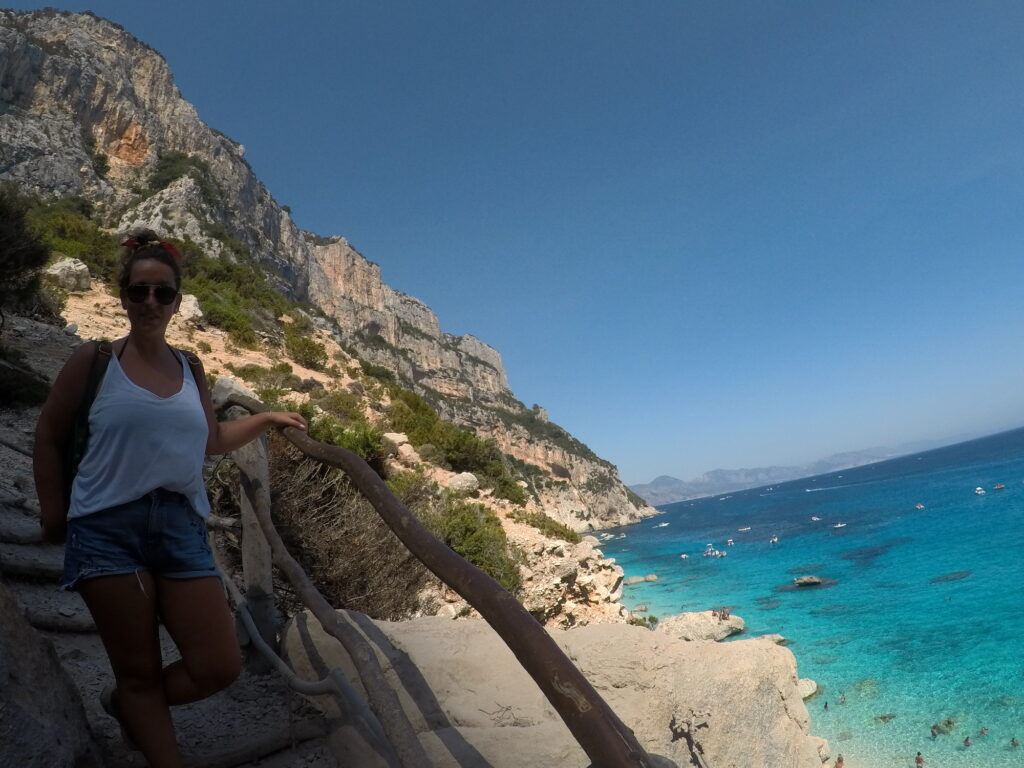
    One of the main activities to do in the area is a full day excursion by boat exploring the Gulf of Orosei, that will allow you to reach wonderful bays that can’t be accessed by foot. The main departure harbour is from Cala Gonone, you can find many small boats companies that organize boat trips of the bay from around 40€, our boat was hosting 7 people, kind of “private tour”. The itinerary of the boat companies are all the same, they will stop in some of the best beaches in Sardinia. The first stop will be Cala Luna, with its impressive seaside caves (remember to take pictures from inside the caves, they will look unreal), next stops will be Cala Sisine and Cala Biriola.Further ahead you will arrive at the beaches of Cala Mariolu and Cala Gabbiani, here the colour of the sea is unbelievably beautiful. Afterwards, you will head to the famous beach of Cala Goloritzè, probably one of the most beautiful bays in Europe, Cala Goloritzè is a wild bay with white sand and crystal-clear water, with its rocky arch on the sea and the majestic Punta Caroddi, is the most scenic destination in Sardinia for free climbers. We visited this beach twice, the first time we hiked through the park for over an hour, the path is not so easy but it is really worth it, the view that you have from the top of the beach is fantastic. You can park the car in Su Porteddu bar, where we stopped on our way back for a nice and refreshing beer, the local Ichnusa beer. The second time we visited was with the boat excursion, but the boat has to stay 300 meters offshore (A sea protection zone prevents Cala Goloritzè from being packed with boats), meaning anyone who wants to reach the beach from a private boat needs to swim.Even if the hike is long especially on the way back, I highly suggest to visit Cala Goloritzè by foot, the reward at the end is priceless, overlooking the bay from above it’s an amazing experience, unbelievably beautiful. Be sure to allow enough time for the hike back to your car before dark, and allow your self a refreshing Ichnusa.

    Cala Goloritzé,Baunei

    Cala Luna,Baunei

    Cala Mariolu,Baunei

    Cala Goloritzé Path,Baunei

    Tailor-made

    Want this trip, made for you?

    I’ll design your trip to Sardinia — the route, the right hotels and the experiences that matter, around your dates.

    Written by Graziano
    Travel designer & photographer

    Photo gallery

    The National Park of the Gulf of Orosei in Sardinia through my lens

  • Monti Sibillini National Park

    Monti Sibillini National Park

    Destinations › Europe › Italy

    Monti Sibillini National Park

    Mountain lakes, flower fields and hiking trails in the heart of the Apennines.

    Exploring the sibillini national park

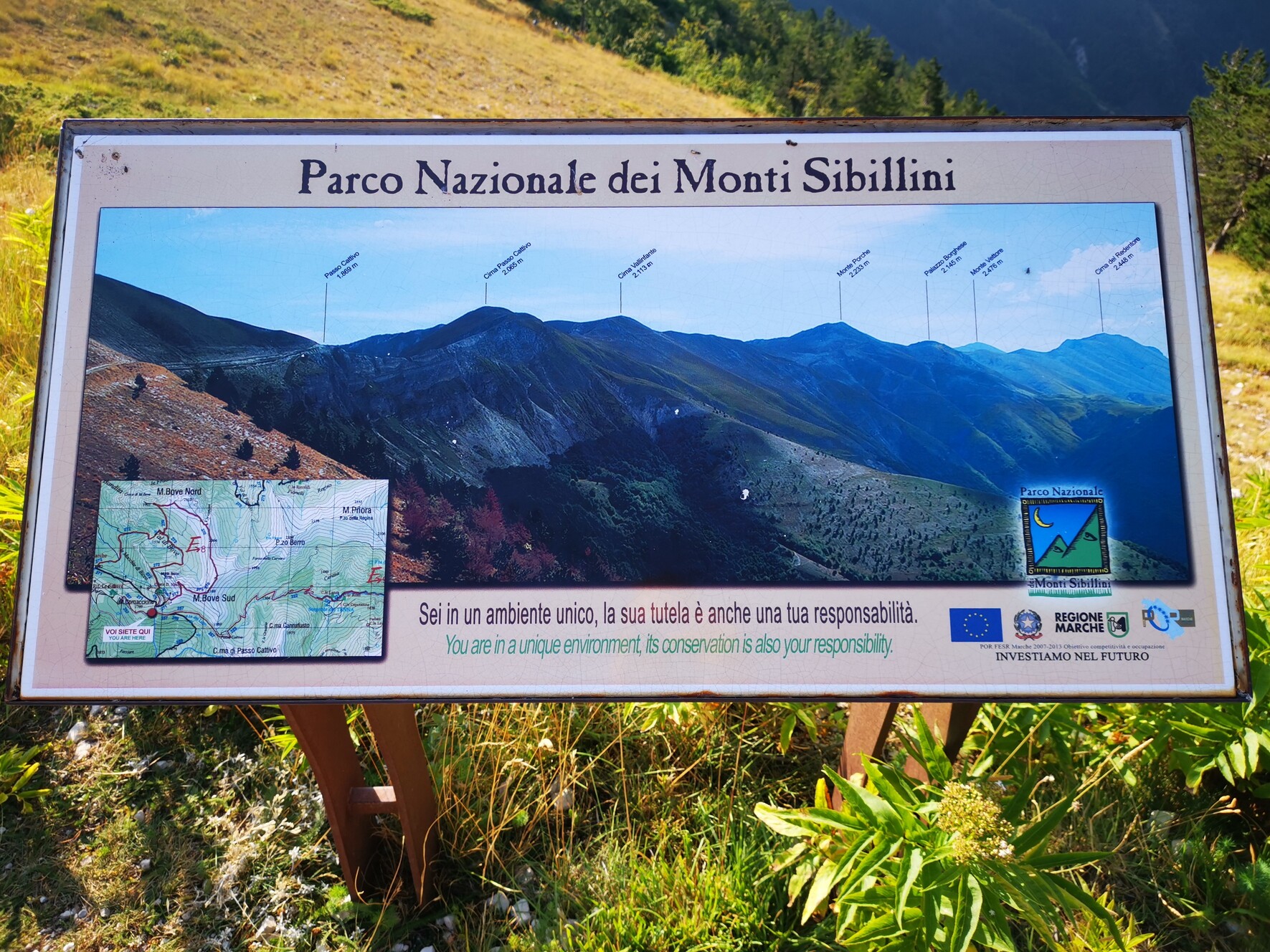
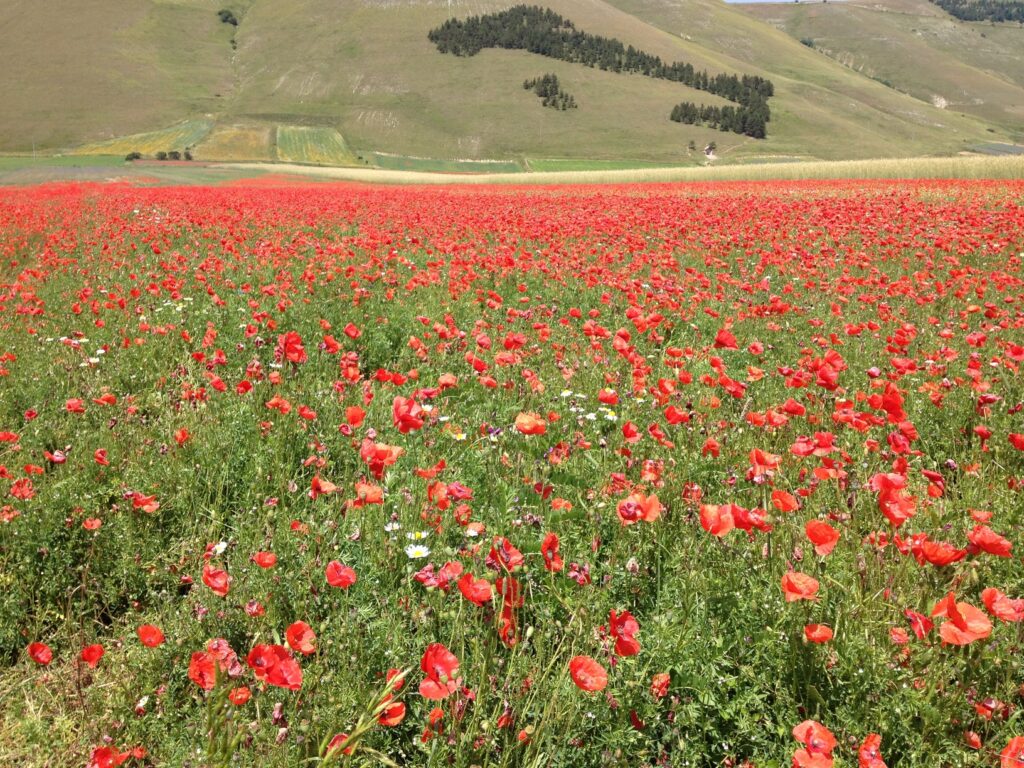
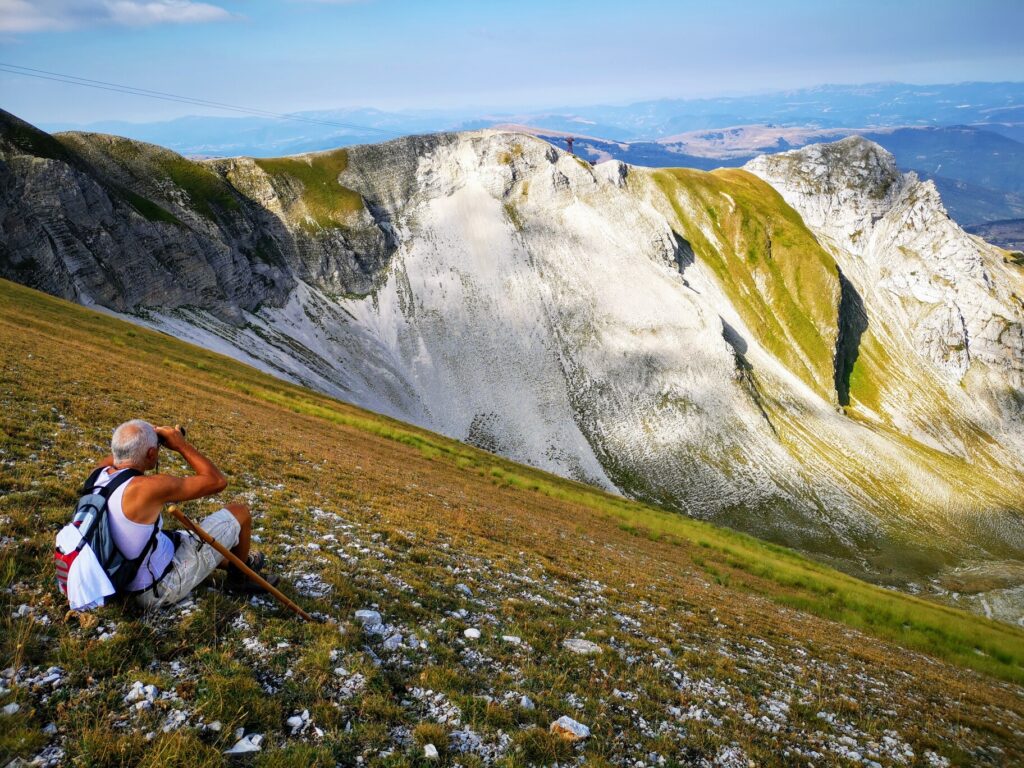
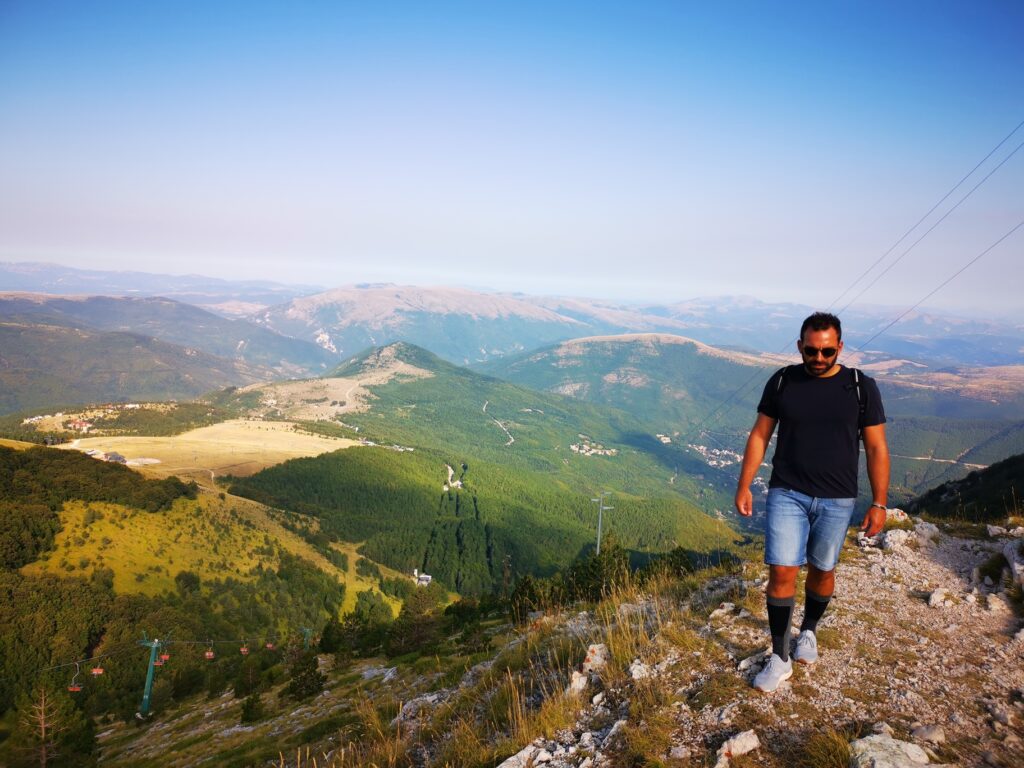
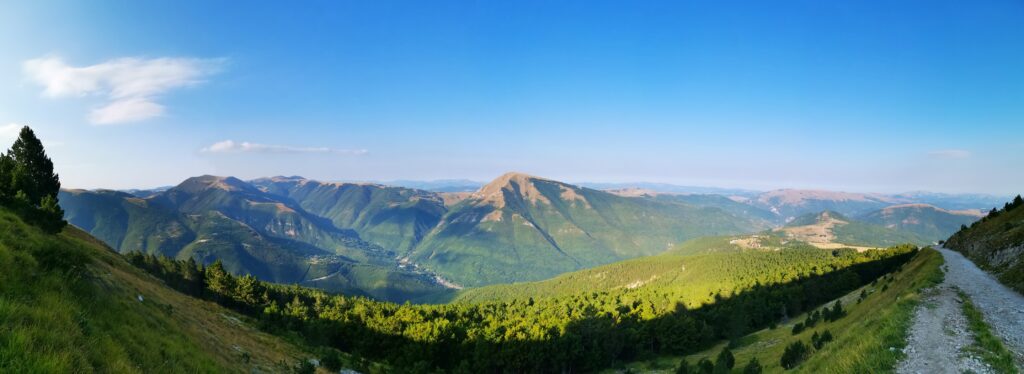
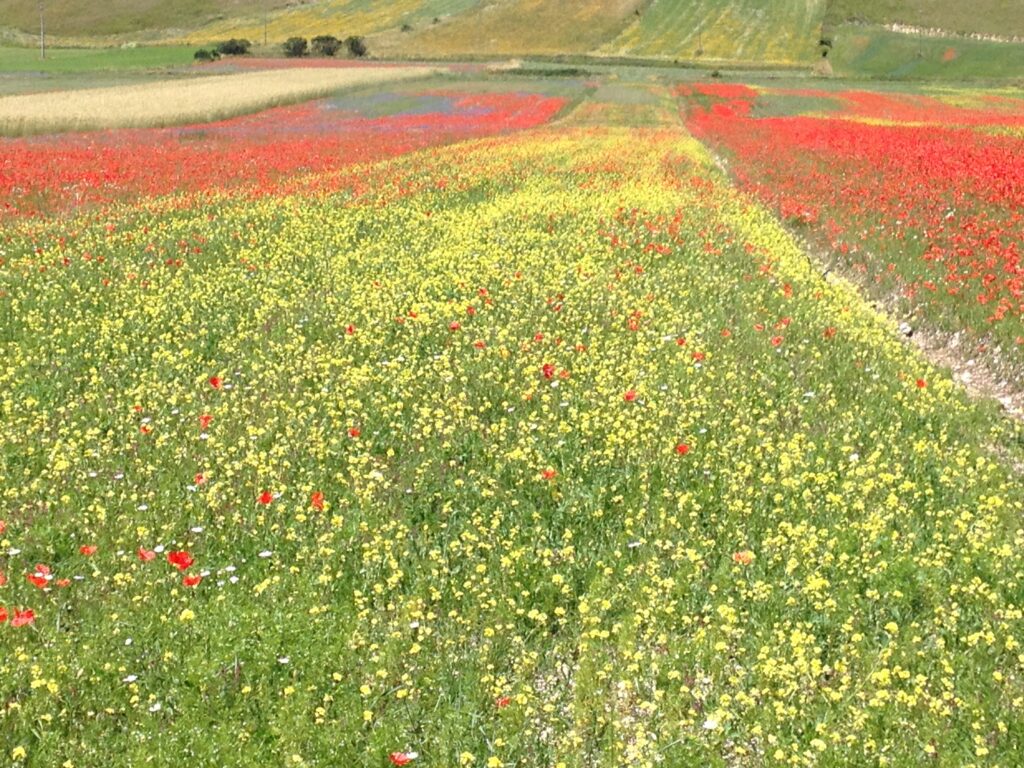
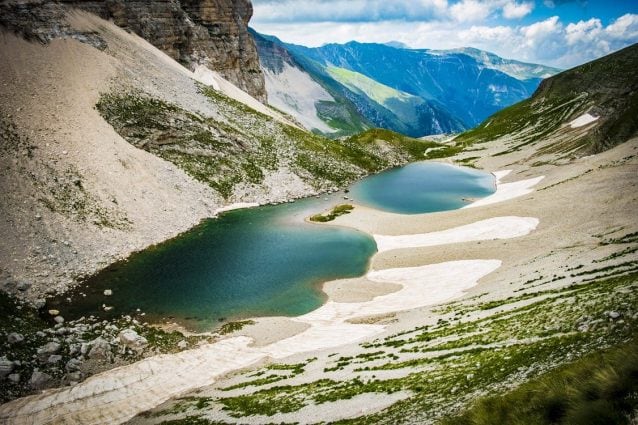
    The Monti Sibillini National Park, dominated by Mount Vettore (2,476 mt), has been established in 1993, it extends for about 70.000 hectares between Umbria and Marche, it’s the paradise for hikers and climbers, the perfect destination for adventures into the wilderness.There are plenty of places to see and visit in this area, the Park is home of some outstanding natural sights, and beautiful towns such as Visso, Ussita, Norcia and Castelluccio.Among the many things to do and see, I recommend you my favourite three places that I think you should not miss:Mount Vettore and Lake Pilato: the highest mountain of the Park, here you can find fantastic paths and the glacial Pilato Lake, the water is really limpid and clear, but is strictly forbidden to touch the water and have a bath. The reason is that if you get too much close to the water you could squash the eggs of a rare creature: the Chirocefalo dei Marchesoni (a red little shrimp that lives only in this lake).Castelluccio di Norcia: Very famous for their flowering, if you are in this area between mid-May and mid-July, you can admire the fields of lentils and poppies bloom, the views from the top of the hill are fantastic. The Gorges of Infernaccio: offer the hiker a breath-taking landscape, they are natural gorges formed by the river Tenna. These are located in the municipality of Montefortino in the province of Fermo, and are among the most picturesque gorges in the Umbria-Marche Apennines.The Infernaccio Gorge is a popular place for walking, especially for the refreshment offered by it during the summer months. From here you can visit the hidden waterfall, the source of the River Tenna and the Hermitage of San Leonardo. In order to arrive at the starting point of the Infernaccio gorge path, you’ll need to take the location of Rubbiano as a reference, near Montefortino town.

    Lake Fiastra & Lame Rosse

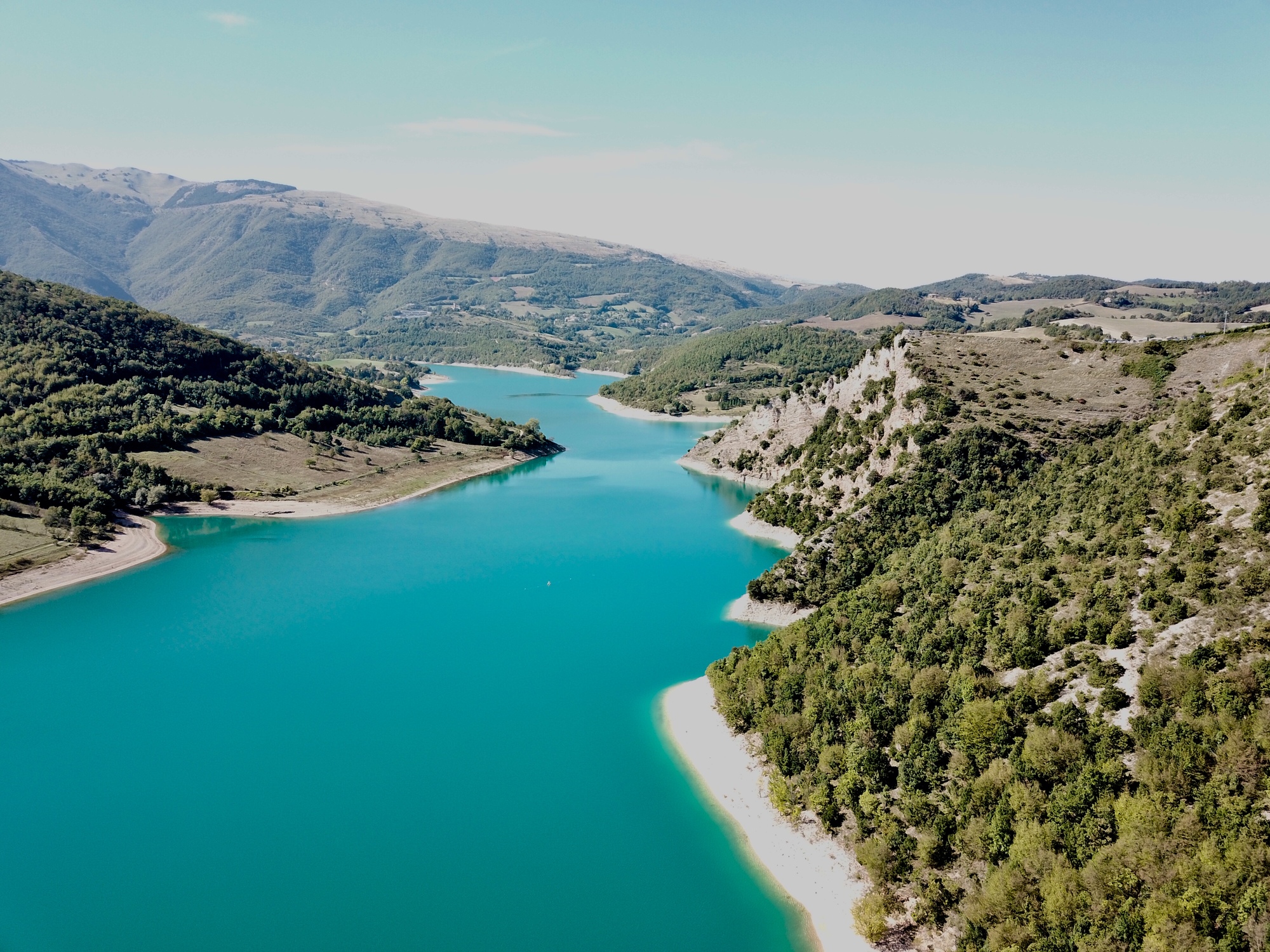
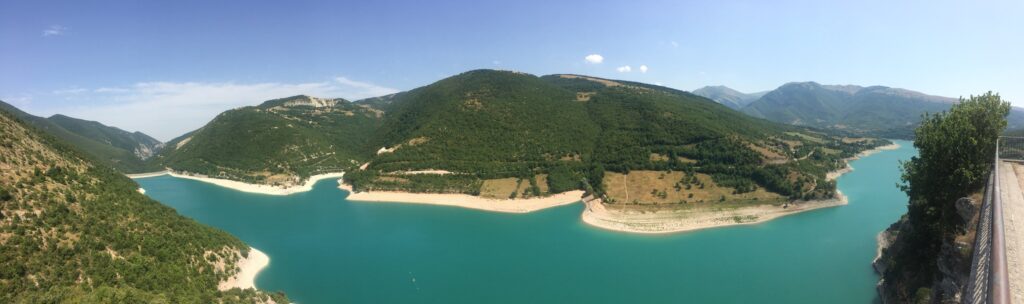
    Lake Fiastra is definitely a place to discover if you are spending time in Le Marche, located about 70 kilometres southwest of Ancona. It’s an artificial lake with clear blue waters that reflect the surrounding mountains located inland the Monti Sibillini. It’s a beautiful place to spend some time in relaxation, but is also the base to explore the neighbours towns.After a few days of exploring Le Marche, hiking in the Sibillini Mountains or shopping at local outlet stores it’s time to take a break, switch off and relax. With a wonderful drive through the mountains to get to this lake, where you can swim, take boat rides and enjoy the peace that this valley has to offer you. If you’re visiting in the summer, when the temperature can reach over 30 degrees, then nothing can beat a dip in this refreshing lake.Lake Fiastra is only a short drive from the beautiful, medieval villages of San Ginesio, Caldarola and the town of Sarnano. If you have some time to spare they are great places to stop and explore.The best and must view to see of the lake, is the panoramic view from above, from the village of Ruffella, there is an amazing terrace overlooking the lake, it’s the best spot.Just next to the lake, you can find one of the most famous and fascinating places in the Sibillini Mountains, the Lame Rosse. Their unusual and unique shape, is due to the long and slow wind erosion over a period of millions of years, they are the Grand Canyon of the Marche, a truly unique place of this region. The round trip path is around 8km and will take you around 3 hours of hike from Lake Fiastra to arrive to the rock formations. They are really beautiful and look like something you would see in Utah or Arizona in the western United States. The trail leading up to the formations is not too difficult, just remember to bring some water and a snacks as there are no bars or shops around.

    Monte Bove

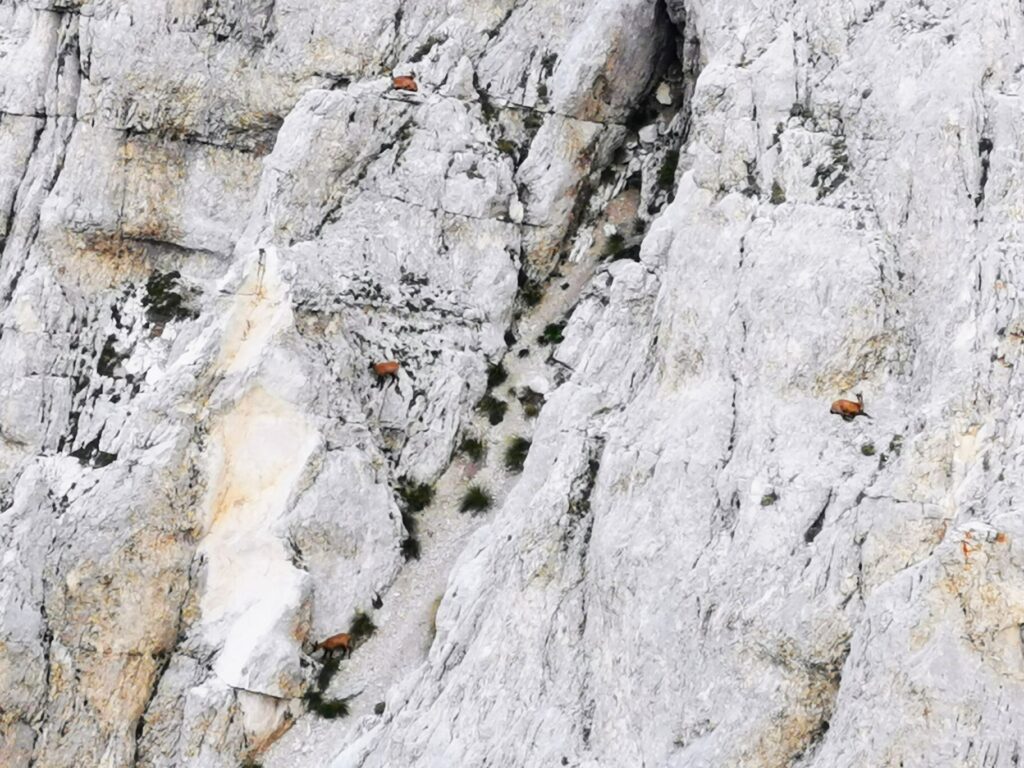
    Chamois,Monte Bove

    Lake Pilato 1,941 meter,Monte Vettore

    Castelluccio di Norcia annual flowering

    Monte Bove path

    Lake Fiastra terrace

    Tailor-made

    Want this trip, made for you?

    I’ll design your trip to Le Marche — the route, the right hotels and the experiences that matter, around your dates.

    Written by Graziano
    Travel designer & photographer

    Photo gallery

    Mt. Sibillini National Park through my lens

  • 3 days in the heart of Italy

    3 days in the heart of Italy

    Destinations › Europe › Italy

    3 days in the heart of Italy

    A long weekend between Umbria, Lazio and Tuscany: Civita di Bagnoregio, Lake Bolsena and the hot springs.

    TheLionVoyager

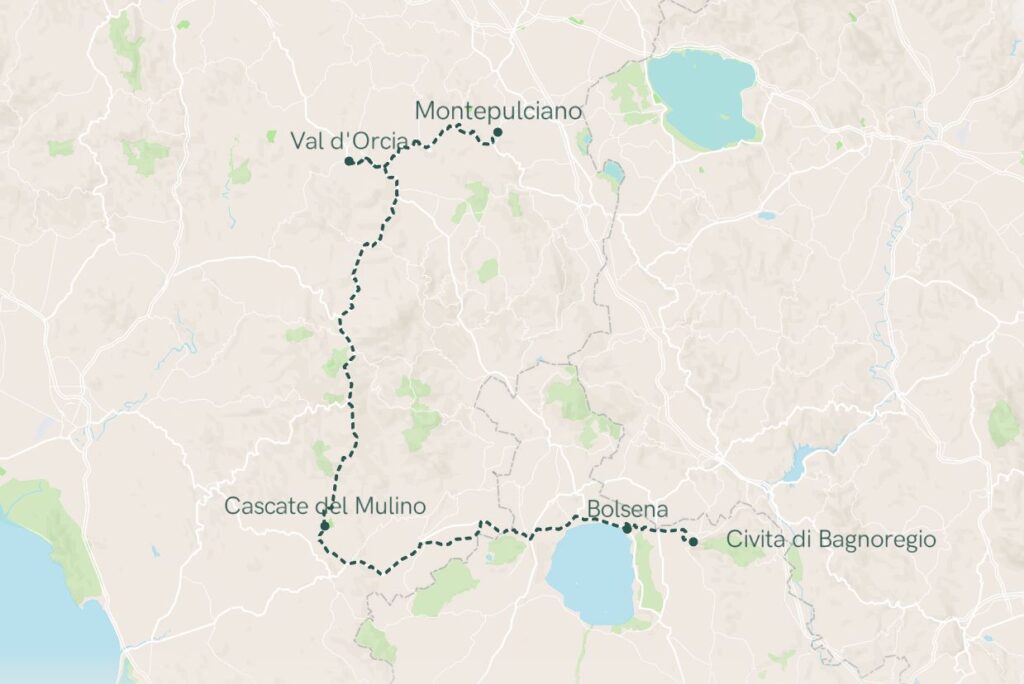
    I created this fantastic 3 days itinerary in the heart of Italy between Umbria, Lazio and Tuscany based on a weekend that I’ve done while a was home in August 2020. The best starting point if you are flying into Italy is Perugia airport, and from there you can start exploring.

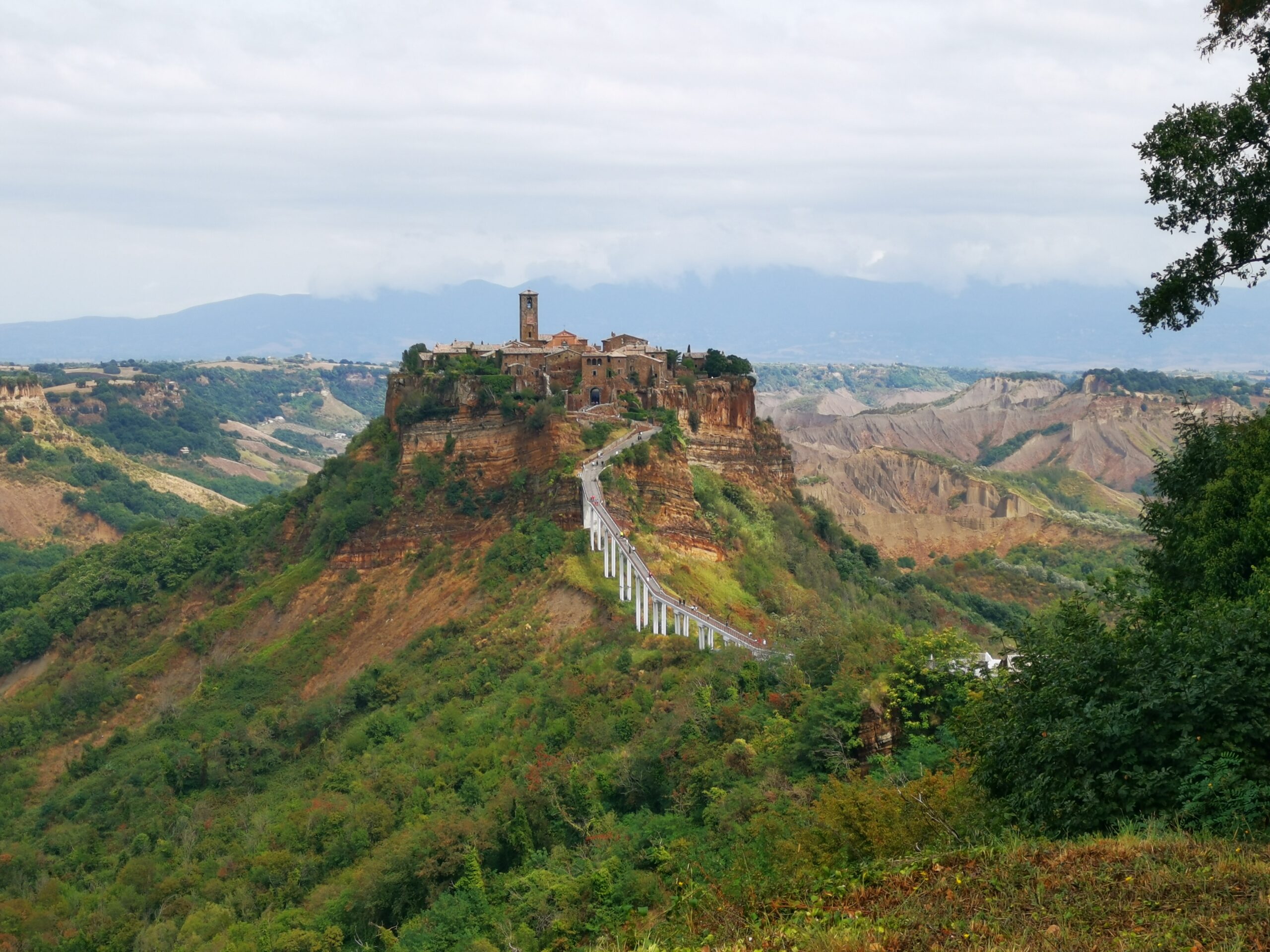
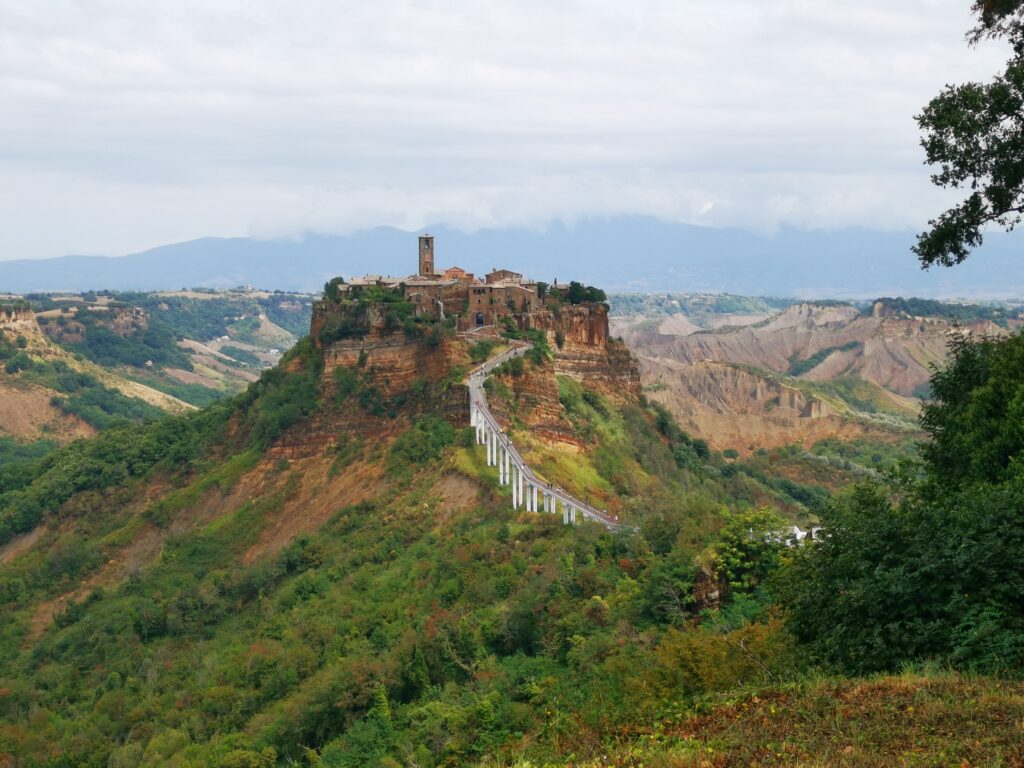
    Day 1: Land at Perugia Airport and hire a car (will be quite hard to go around without one). Just 1 hour drive from the airport your first stop will be Civita di Bagnoregio – “The Dying Town”, very beautiful town to visit. The second stop of the day will be Bolsena, a fantastic city by the lake – (sleep in Bolsena).

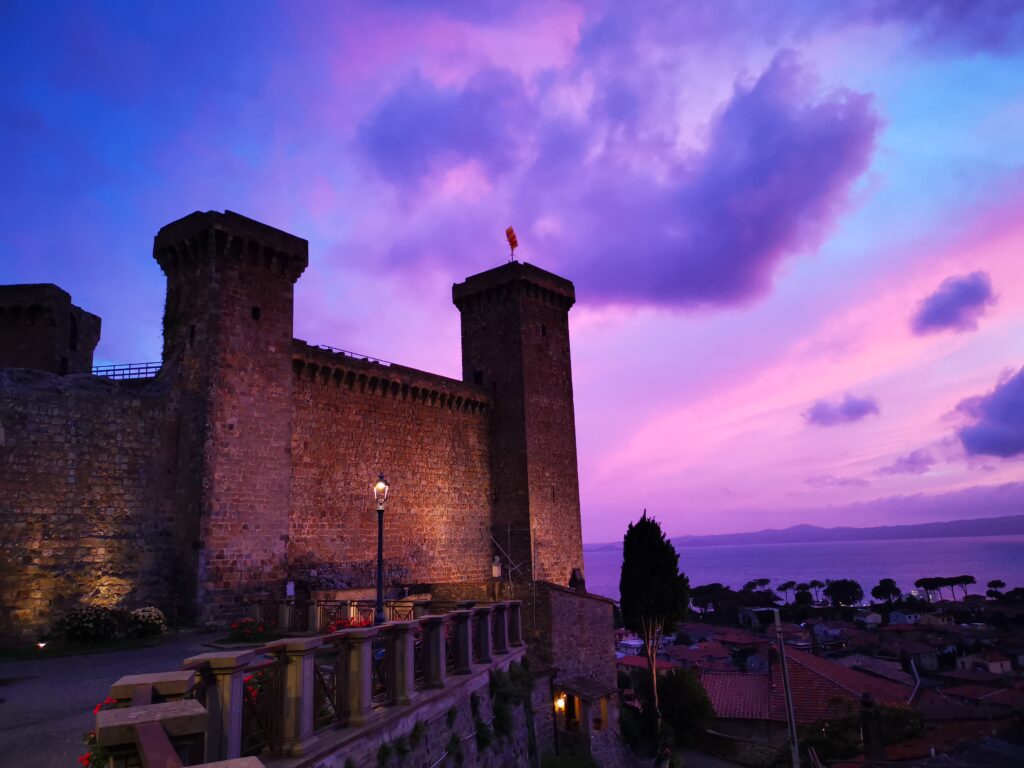
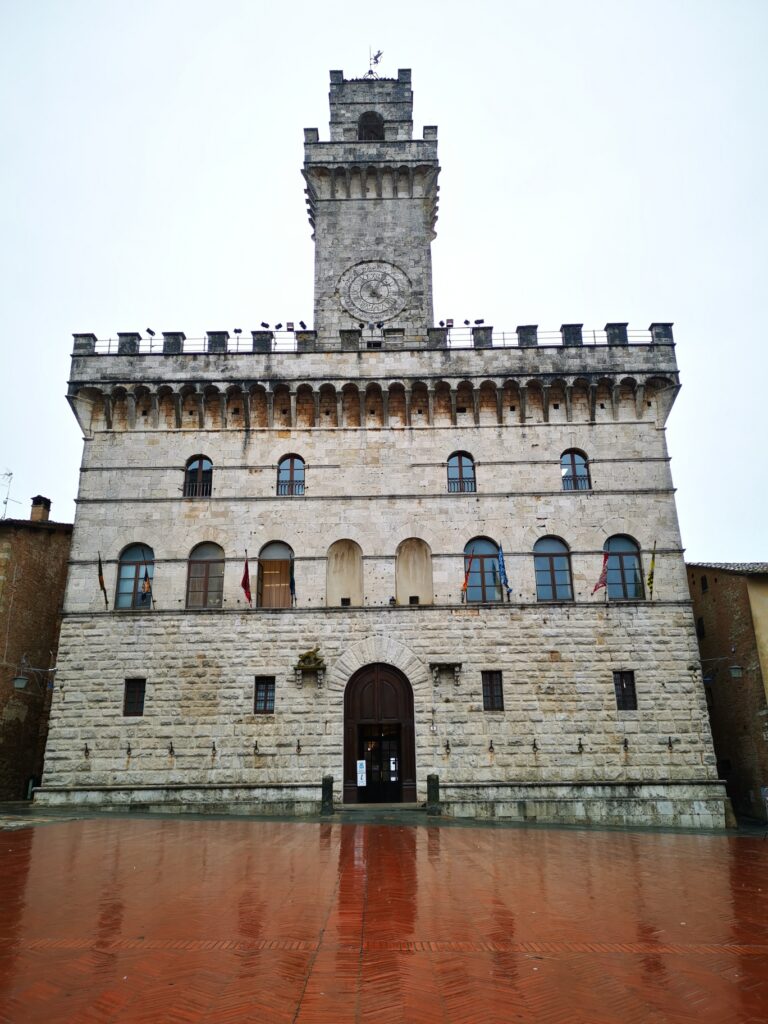
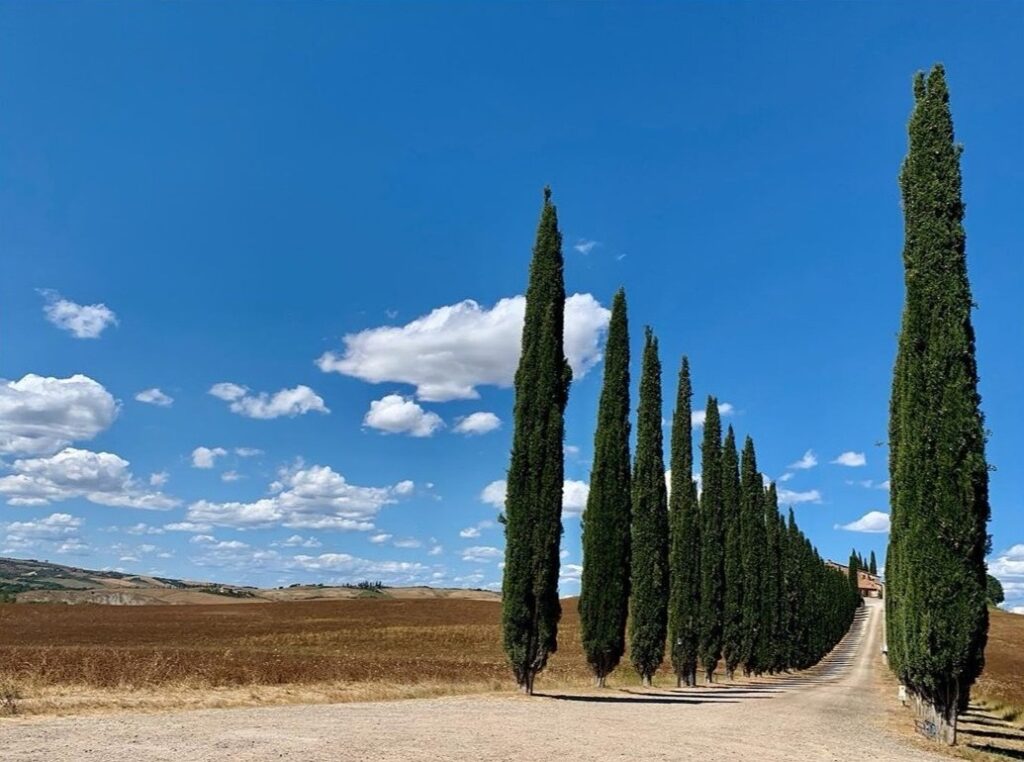
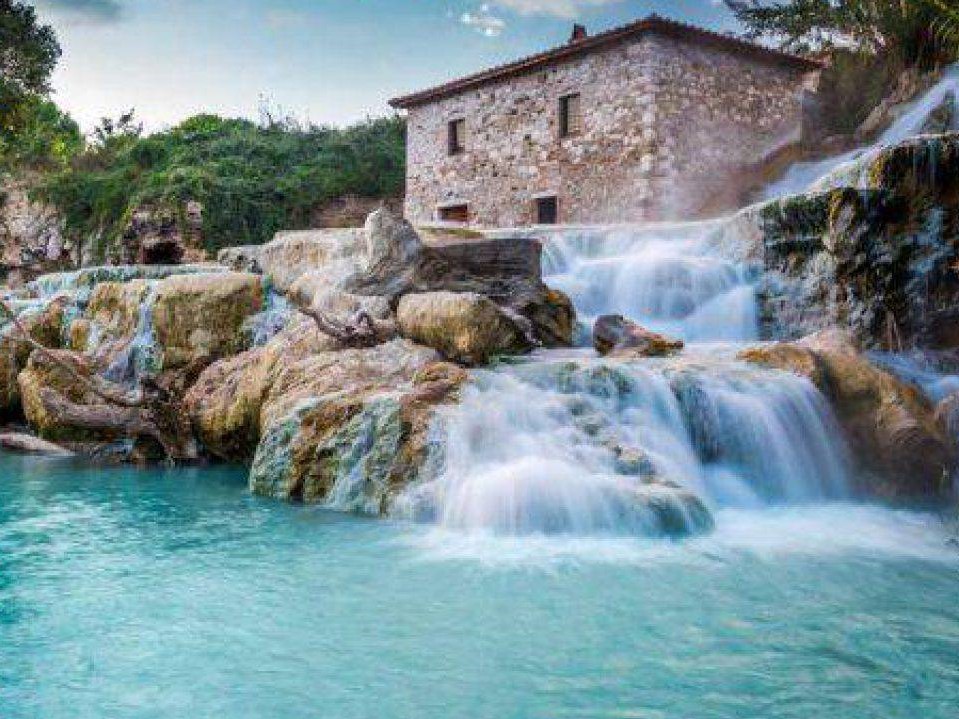
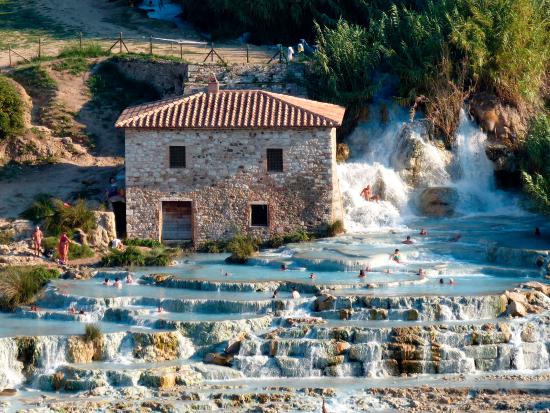
    Day 2: If you didn’t have time to visit the city the day before, you can start the day with a nice walk exploring this gorgeous medieval town by the lake with a fantastic view from the Castle.  Next destination will be the Cascate del Mulino in Saturnia, where you can spend few hours relaxing in the sulphurous spring water, and all this is for free. In Saturnia you can visit as well the thermal bath.In the afternoon you can start to visit the fantastic landscape and villages of the region of Val d’Orcia such as the Chapel Vitaleta, Bagno Vignoni, Pienza, Bagni San Filippo, San Quirico d’Orcia, Montalcino and the most beautiful and most photographed streets with cypress trees are those of Monticchiello and La Foce  – (sleep around Val d’Orcia).

    Day 3: Visit of Val d’Orcia region and Montepulciano town then start the way back to Perugia Airport (around 1 hour drive).

    Cascate del Mulino in Saturnia

    This is a fantastic place to visit but if you can try to avoid the Peak Season or Saturdays and Sundays, when it gets very busy

    Val d’Orcia region, the paradise for photographer

    While you are exploring this part of Tuscany, try to discover every part of it. The best way to travel around the valley is by car, so that you can be flexible especially during the very early morning or sunset hours, which is often the best time to enjoy the views of the valley.

    Enjoy the view of Bolsena lake

    While in Bolsena, a walk on top of the hill is a must, you can enjoy the view of the lake at sunset time with a glass of wine.

    Cascate del Mulino,Saturnia

    Civita di Bagnoregio view

    Rocca Monaldeschi,Bolsena

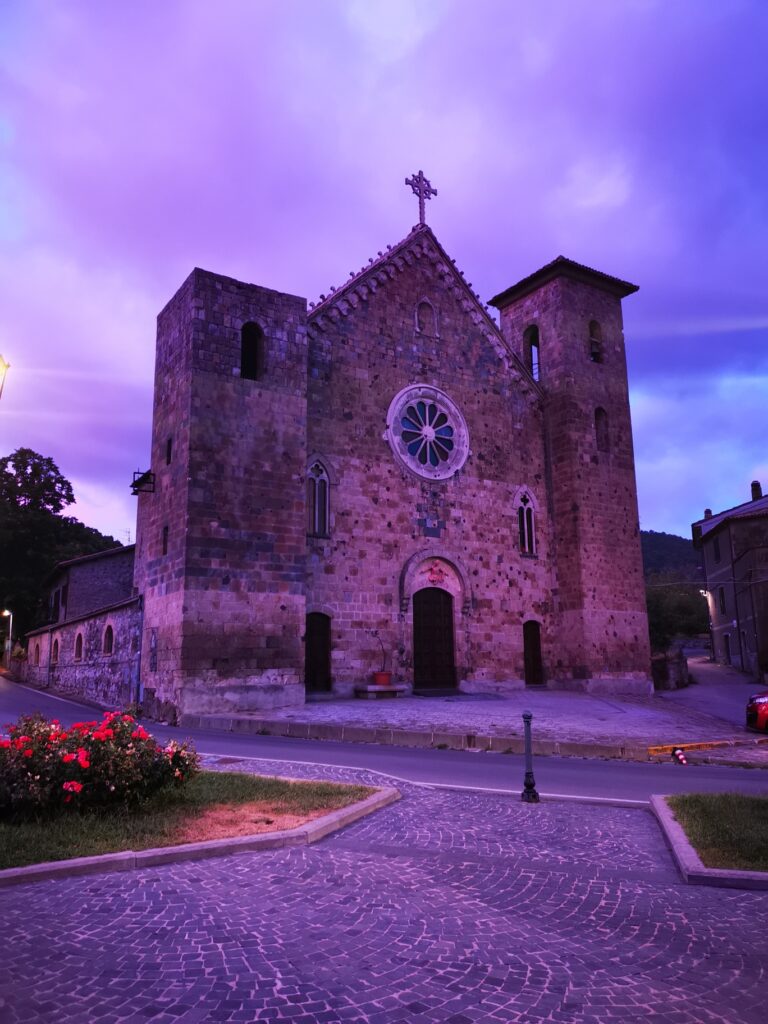
    San Salvatore church,Bolsena

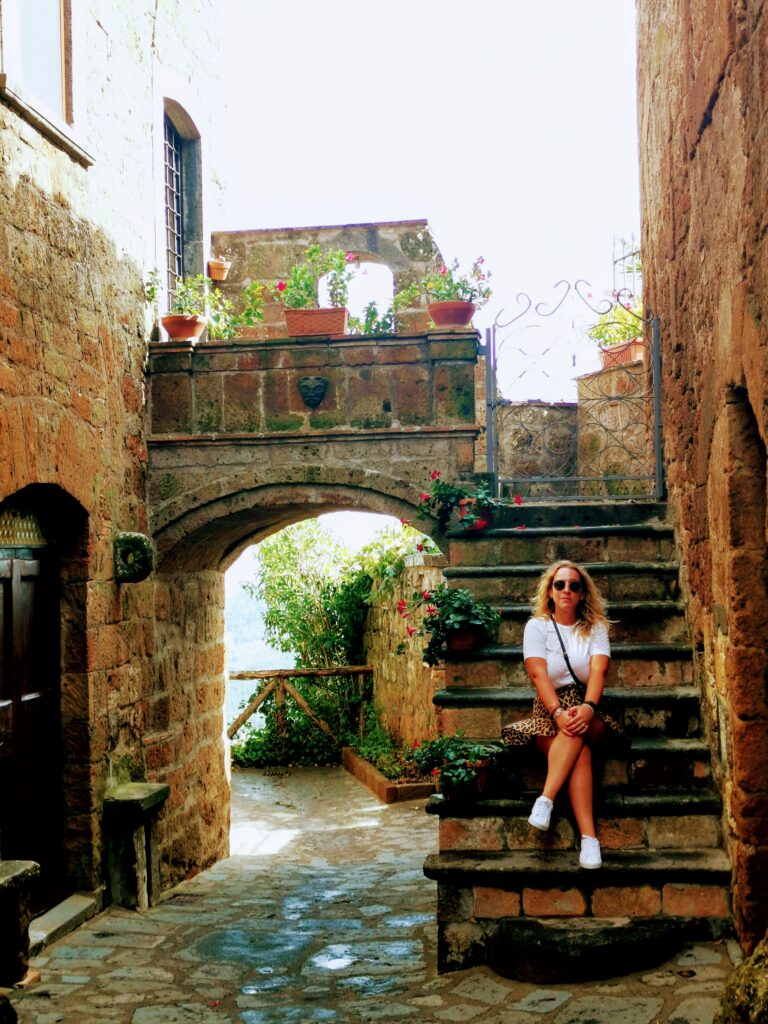
    Civita di Bagnoregio town

    Piazza Grande,Montepulciano

    Val d’Orcia region

    Bolsena town

    Tailor-made

    Want this trip, made for you?

    I’ll design your trip to Italy — the route, the right hotels and the experiences that matter, around your dates.

    Written by Graziano
    Travel designer & photographer

    Photo gallery

    3 days trip in the heart of Italy through my lens
  • Monte Conero Natural Park

    Monte Conero Natural Park

    Destinations › Europe › Italy

    Monte Conero Natural Park

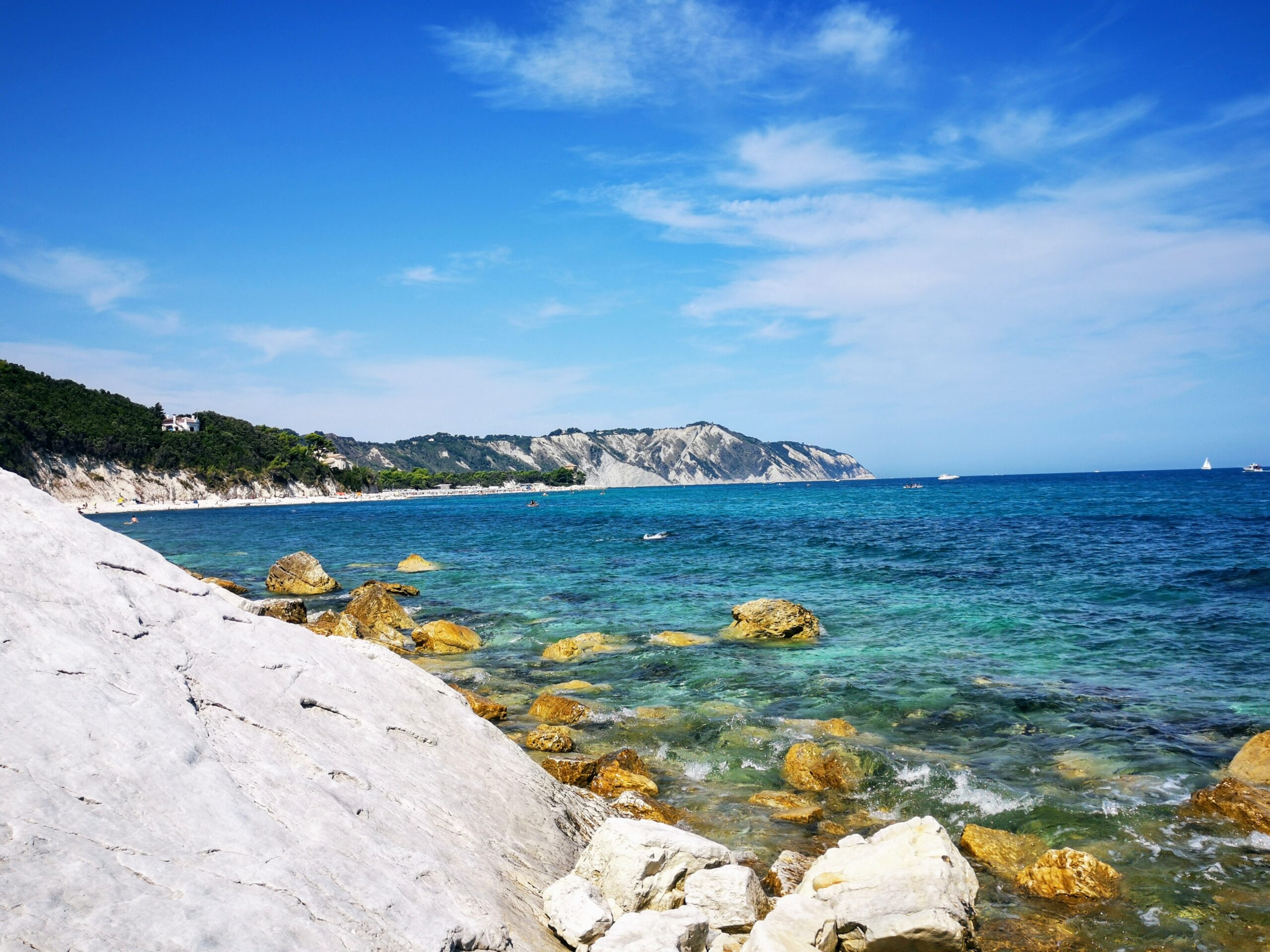
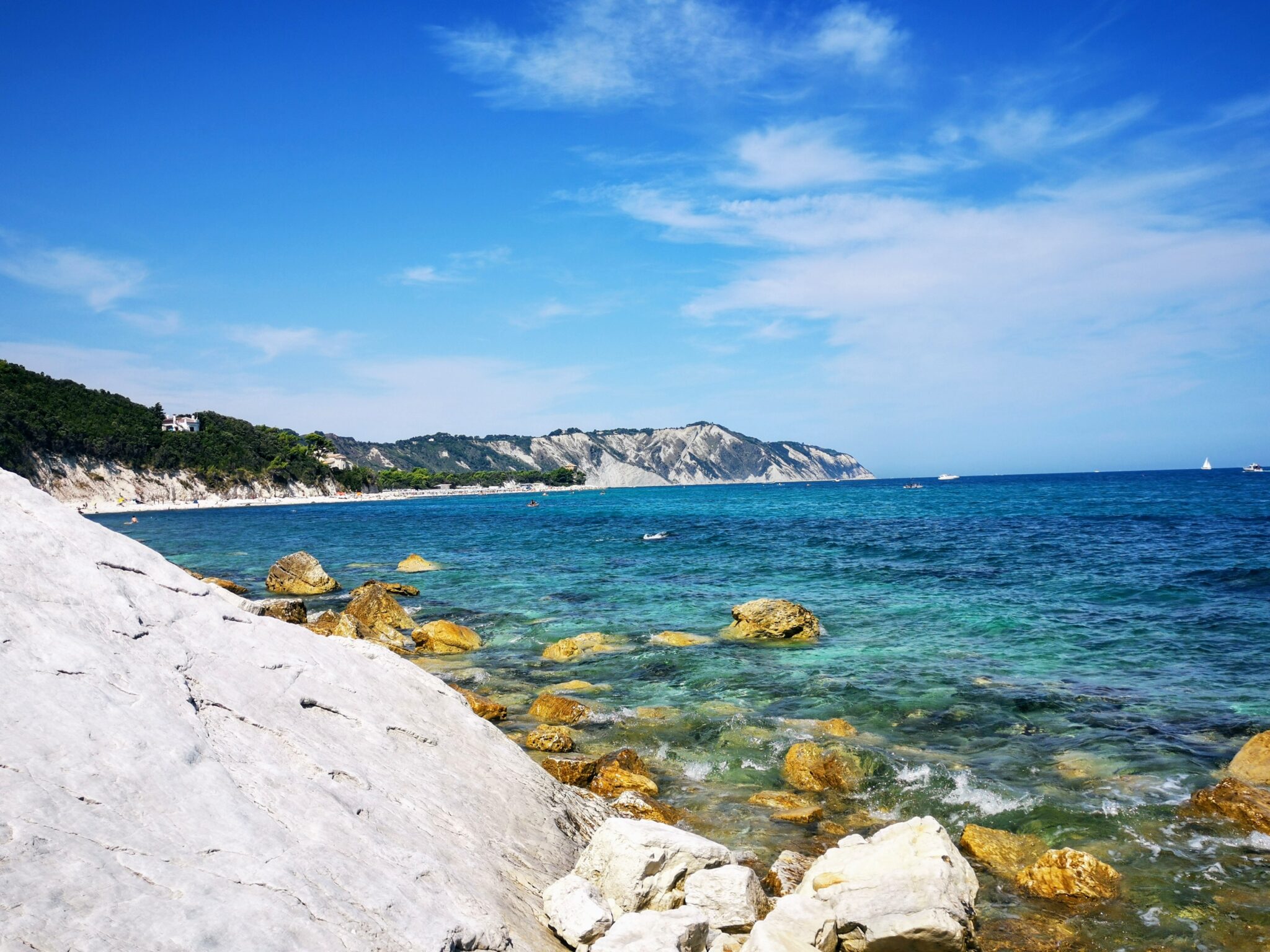
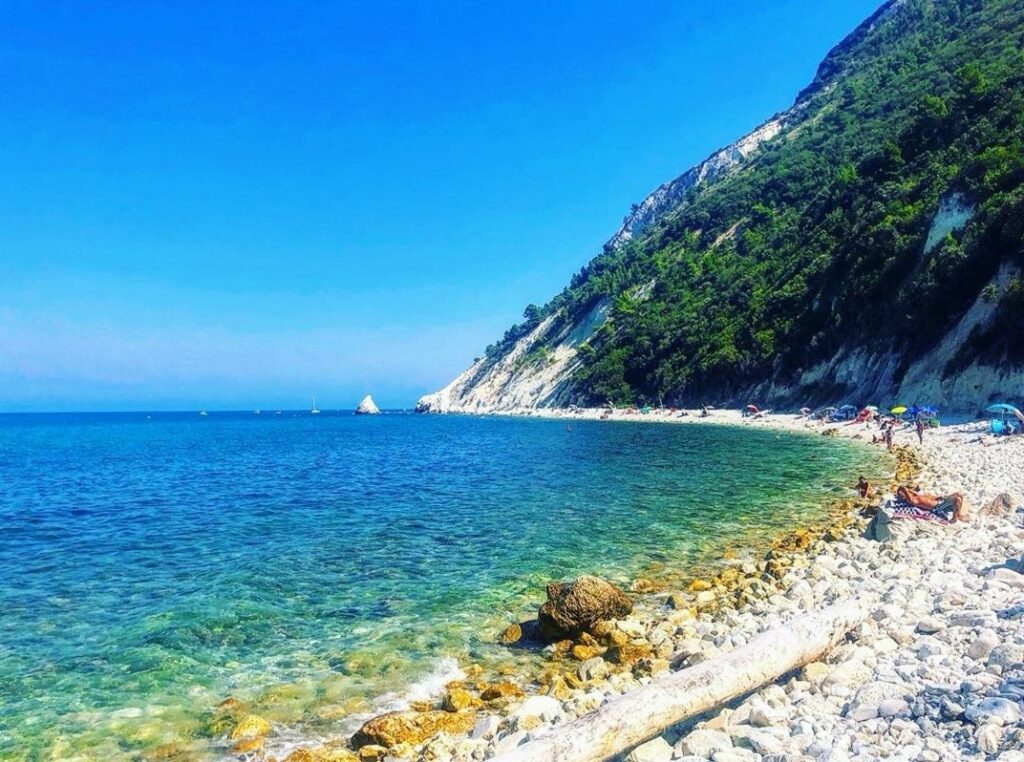
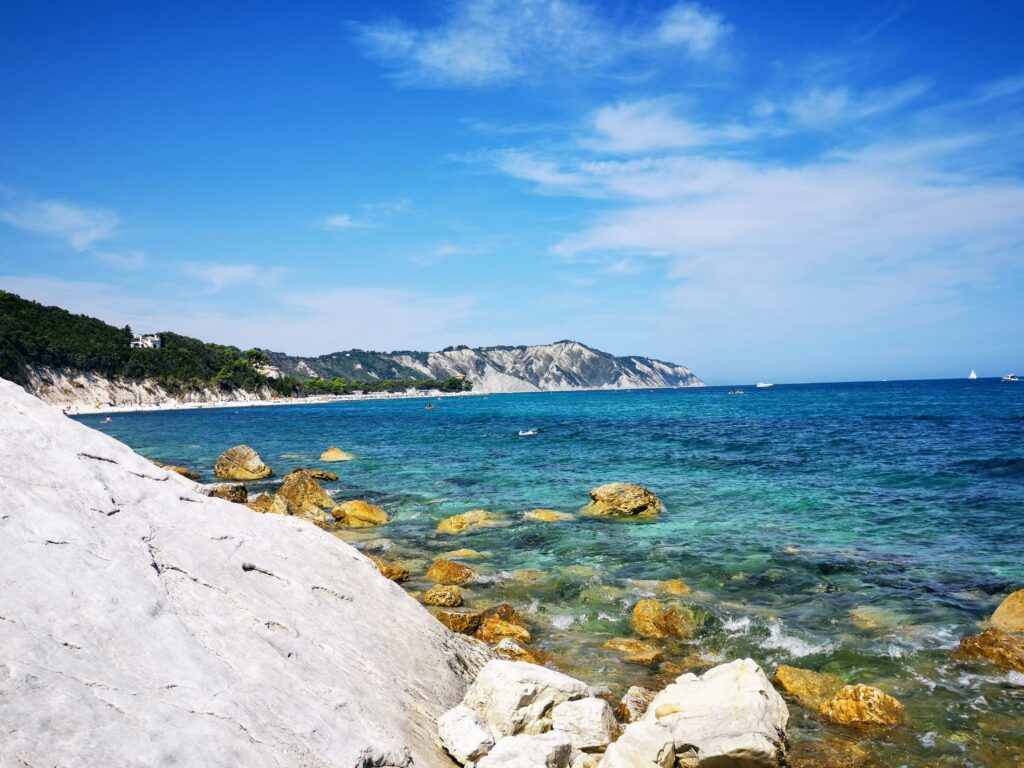
    Hidden coves and white cliffs on Italy’s Adriatic coast.

    How to get here?

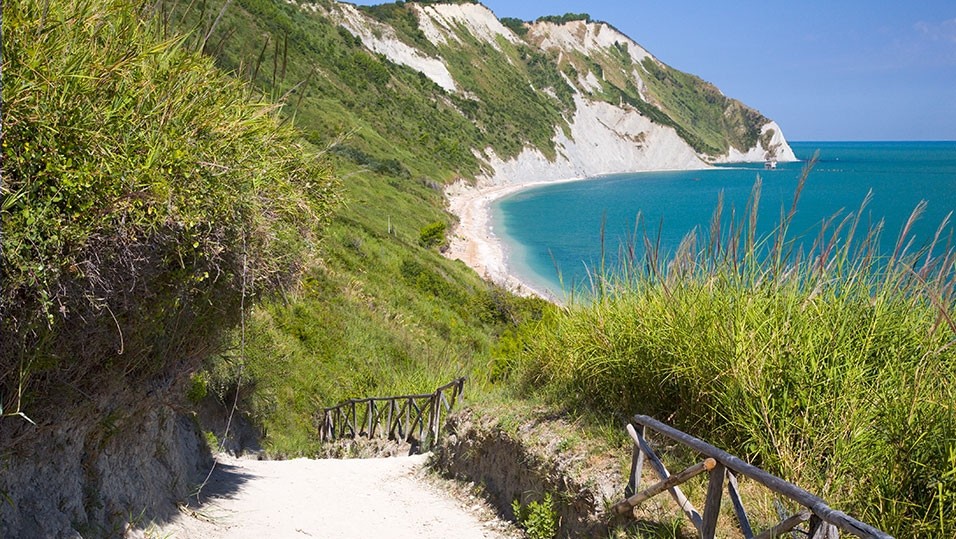
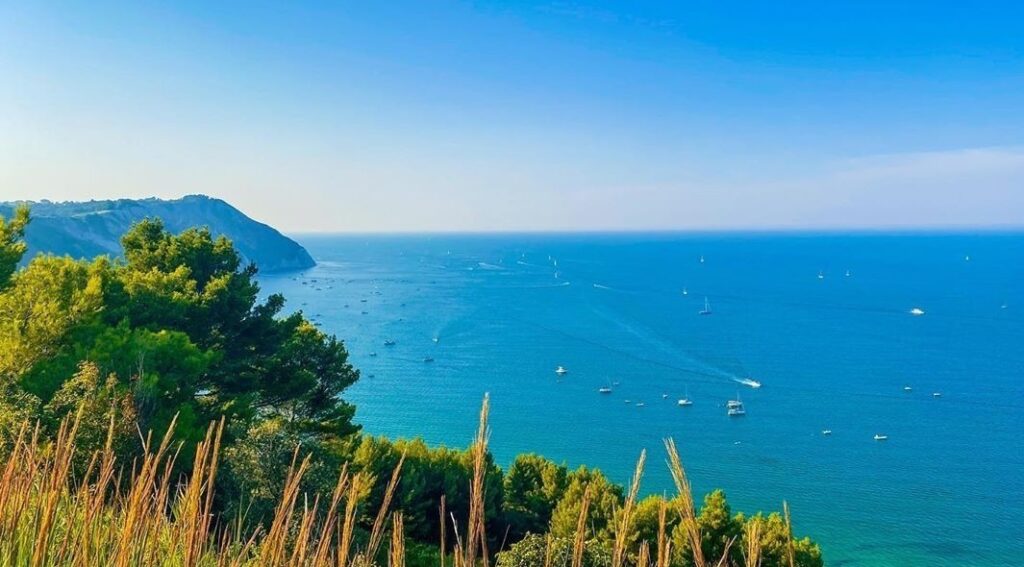
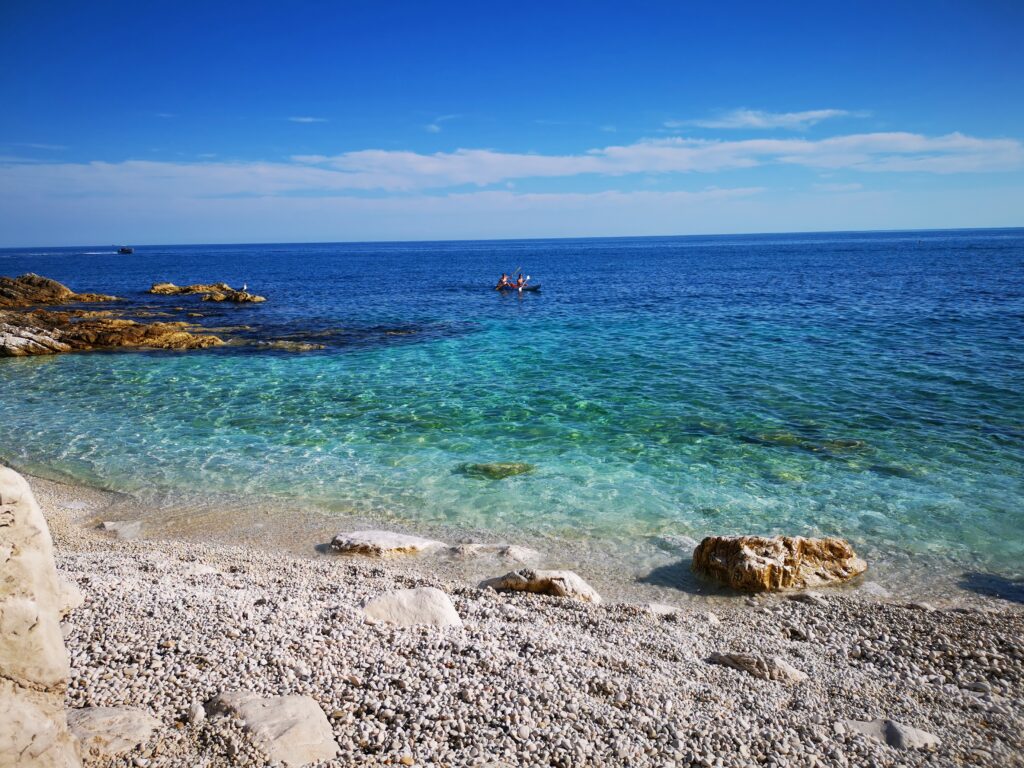
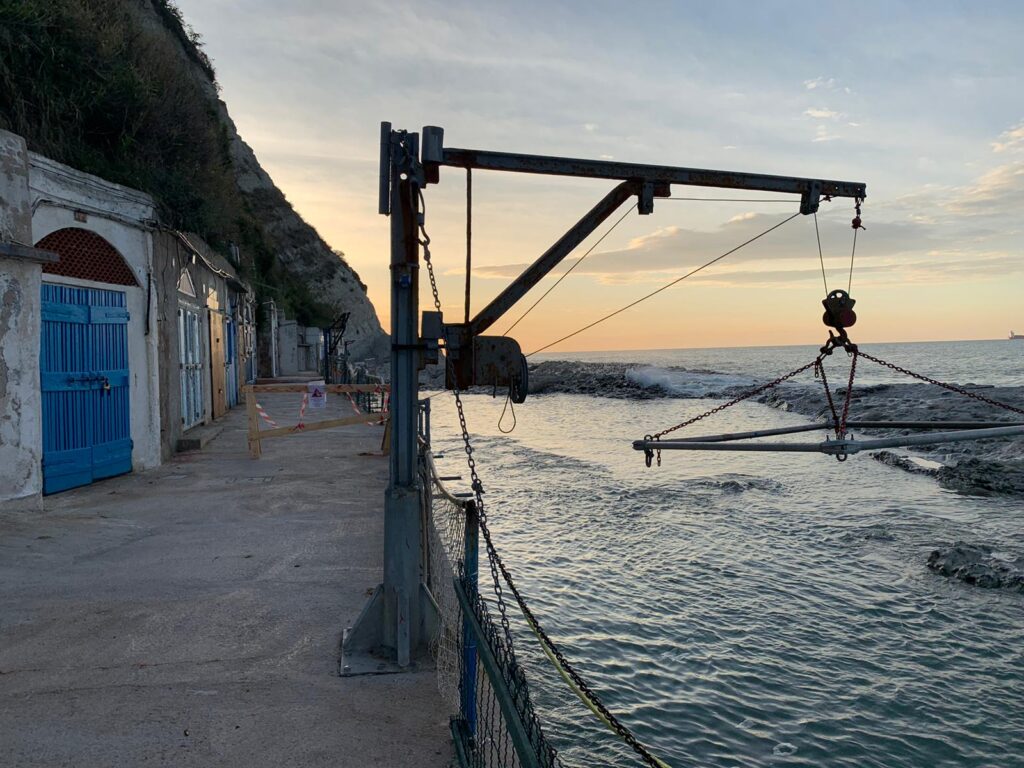
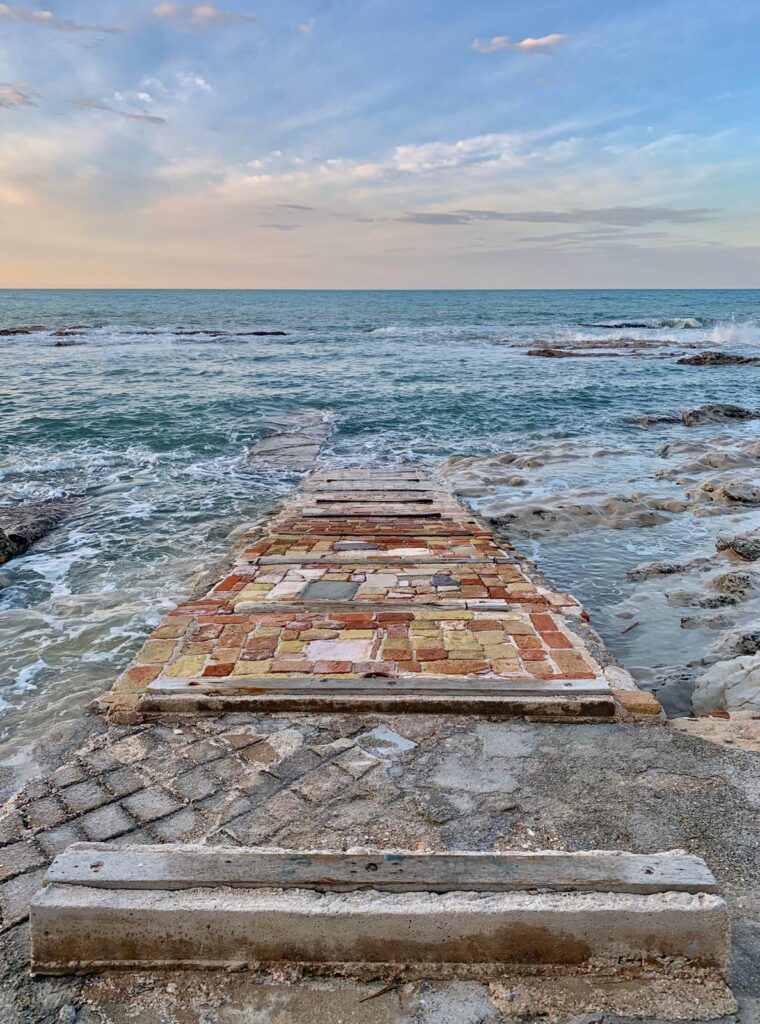
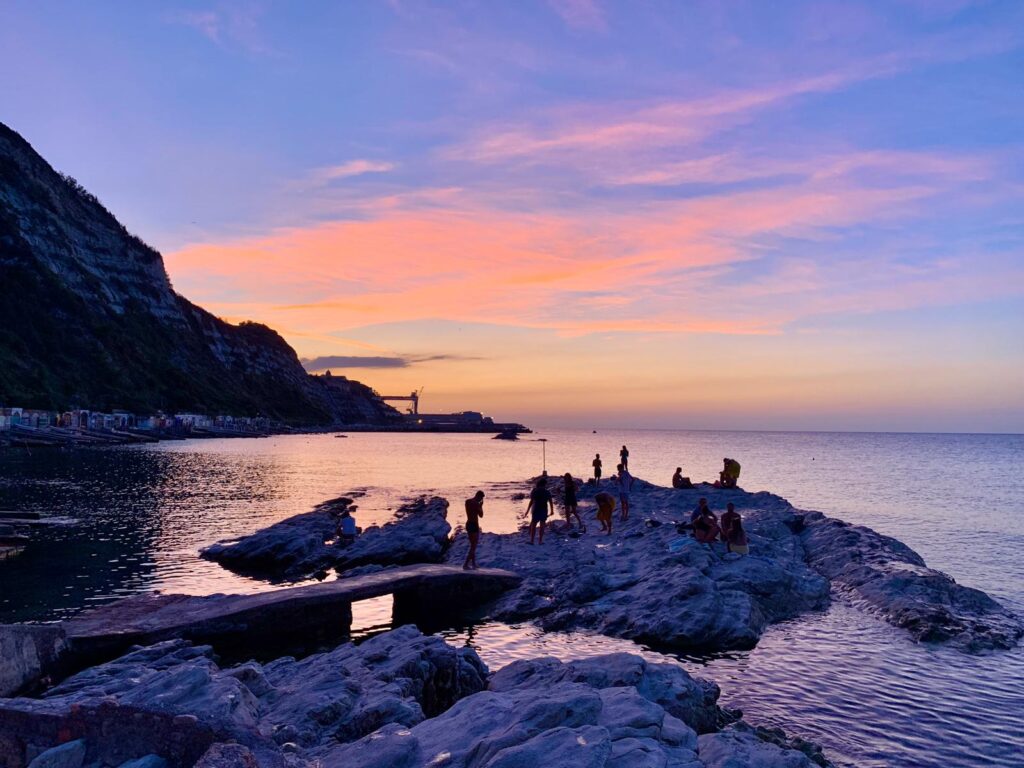
    The Conero peninsula is on the coast in the south east of Ancona, in Le Marche region of Italy, and consists of a rocky coast and a number of fantastic small beaches on the Adriatic Sea, set around the Natural Park of Mount Conero. The closest airport is Ancona, around 30minutes away. The best way to explore this area is by car, it will give you the chance to explore every corner of the peninsula. There are several popular beach towns on the Conero Riviera, the most popular ones are Portonovo (fantastic beach and seafood restaurants), Sirolo, Numana, and Marcelli (with a very long beach that stretches over several kilometres). Sirolo also has a medieval borgo standing on a hill, with a beautiful panoramic view of the coast.A popular way to explore and enjoy the coast around Monte Conero is by following the coastal road by car, with many highlights and scenic viewpoints. Boat trip also is one of the most popular ways to discover and see the Riviera from a different perspective, there are several rental boat companies in the area or the hotel can arrange it for you as well. You can also rent a kayak from any beach, and weather permitting explore the smaller beaches that are not accessible by foot.

    Exploring the Conero Riviera

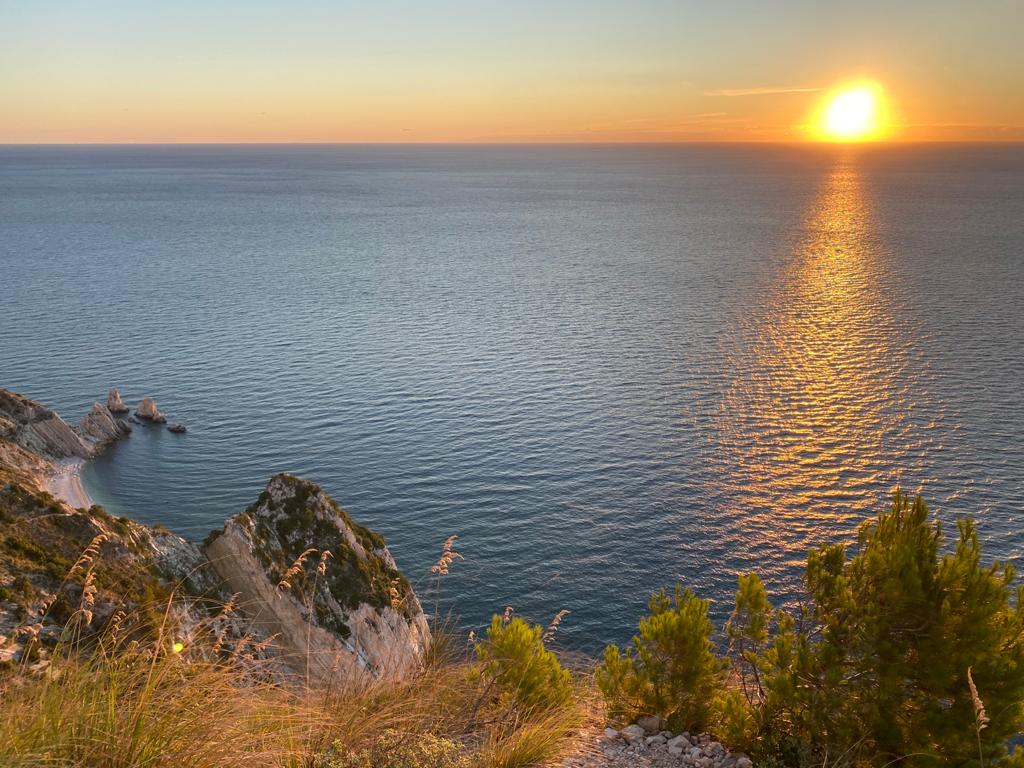
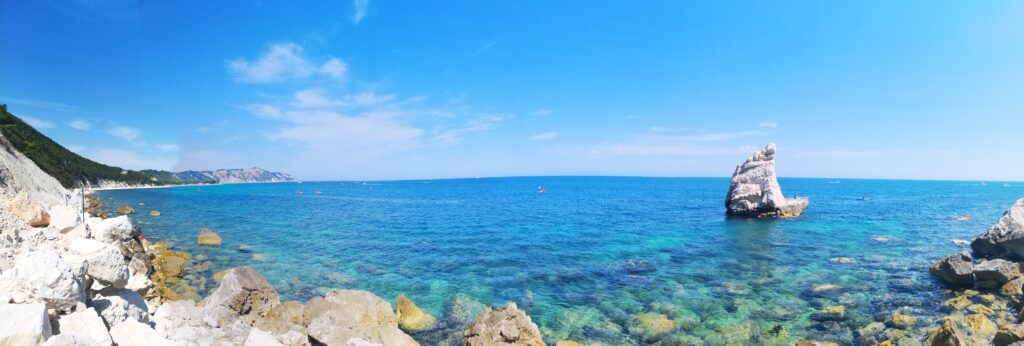
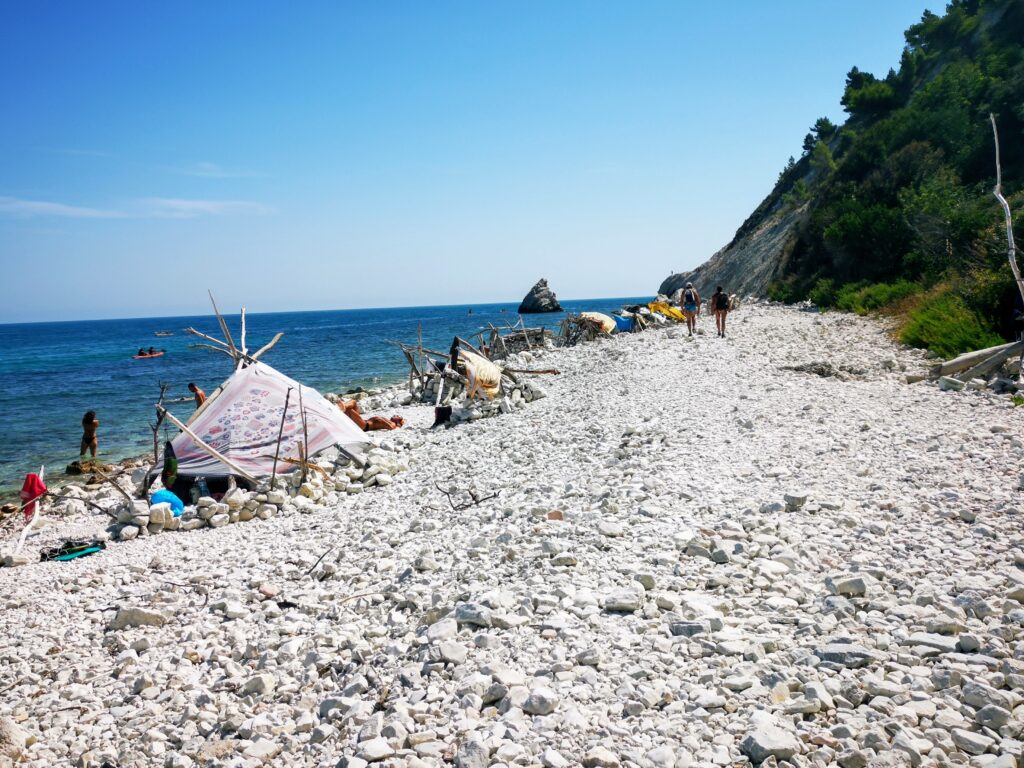
    There are several scenic hiking trails in this park, and all of them have beautiful views from the forest to the coast. The most popular one is “Passo del Lupo” (you can leave the car in the Bar Belvedere and start walking from there, on your way back, you can stop for a snack or dinner in this Bar, the view of the bay is simply stunning). At the end of this path you will enjoy spectacular views of the famous “Due Sorelle”, the 2 rocks that have become the symbol of the Conero Riviera and it can be visited only by boat or kayak.Sirolo’s main beach is San Michele, it’s reachable through a 15-minute walk from the town center. Next to it is the Spiaggia dei Sassi Neri, and Spiaggia Urbani, all three of them are really beautiful beaches.The most beautiful in my opinion and more hard to reach, as the path to go down the beach is quite hard, is Mezzavalle beach, the deep path starts from the main road.The scenery along this part of the coastline is different from the landscapes that you will find elsewhere in this region, with steep white cliffs descending into the sea, rocks and beautiful coves, it’s the most interesting stretch of the Adriatic coast in Italy until the region of Puglia.

    Scoglio della vela – Portonovo

    Scoglio della Vela, Portonovo

    Mezzavalle beach Path, Portonovo

    Monte Conero view

    Grotta Azzurra, Ancona

    Passetto beach, Ancona

    Seggiola del Papa, Ancona

    Tailor-made

    Want this trip, made for you?

    I’ll design your trip to Le Marche — the route, the right hotels and the experiences that matter, around your dates.

    Written by Graziano
    Travel designer & photographer

    Photo gallery

    Monte Conero Natural Park through my lens
  • Tuscany & Liguria in 11 days: Portofino, Cinque Terre & Florence

    Tuscany & Liguria in 11 days: Portofino, Cinque Terre & Florence

    Destinations › Europe › Italy › Tuscany & Liguria

    Tuscany & Liguria in 11 days: Portofino, Cinque Terre & Florence

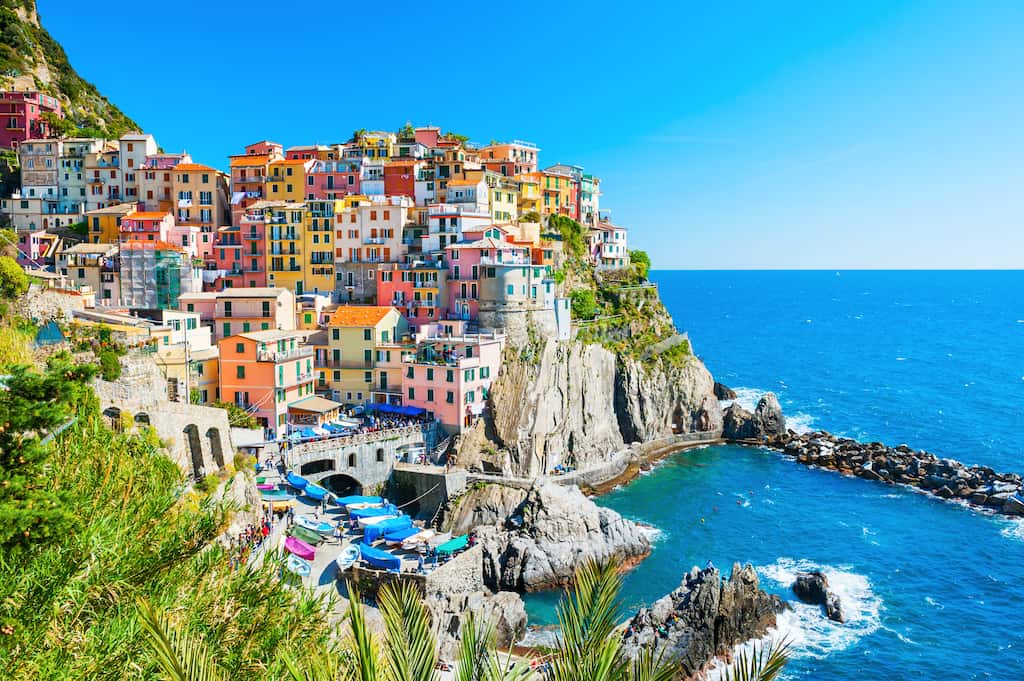
    Colourful fishing villages on the Italian Riviera, the five villages of the Cinque Terre, medieval hill towns, wineries and the art of Florence.

    Duration

    11 days

    Best time

    May – June, Sep – Oct

    Getting around

    Rental car

    or regional trains

    Route

    Genoa → Florence

    I travelled

    October 2019

    You could spend a month in Tuscany and Liguria and still want more. This 11-day route is the essential version: the Riviera, the Cinque Terre, the medieval towns and wineries of Tuscany and, of course, Florence.

    As an Italian, it’s the trip I recommend to anyone visiting my country for the first time.

    The route at a glance

    From the Riviera to the Tuscan hills

    Tap a stop on the map to jump to that part of the trip

    TUSCANYLIGURIALigurian SeaGenoa – jump to the dayGenoaPortofino – jump to the day1PortofinoCinque Terre – jump to the day2Cinque TerrePisa – jump to the dayPisaLucca – jump to the day3LuccaVolterra – jump to the dayVolterraSan Gimignano – jump to the day4San GimignanoFlorence – jump to the day5FlorenceArezzo – jump to the dayArezzoSiena – jump to the day6SienaMontepulciano – jump to the dayMontepulcianoBy road

    Portofino area
    2 nights

    Cinque Terre
    2 nights

    Lucca
    1 night

    San Gimignano
    2 nights

    Florence
    2 nights

    Siena
    1 night

    Day by day

    The itinerary

    Days 1–2 · 2 nights

    Genoa & the Riviera

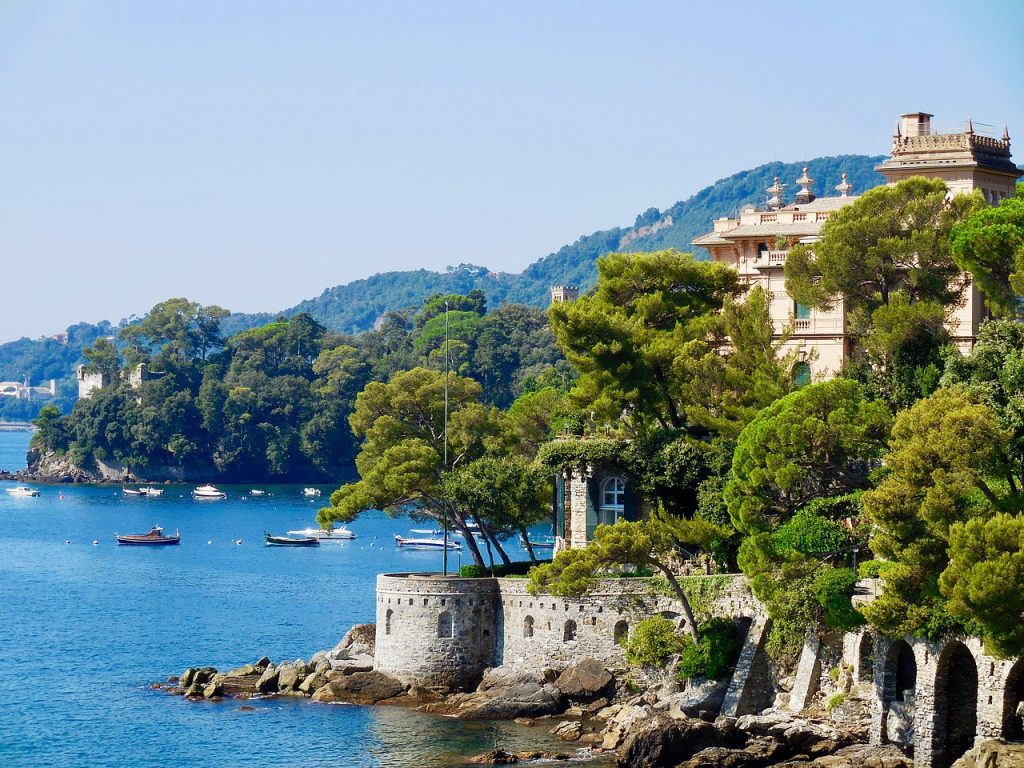
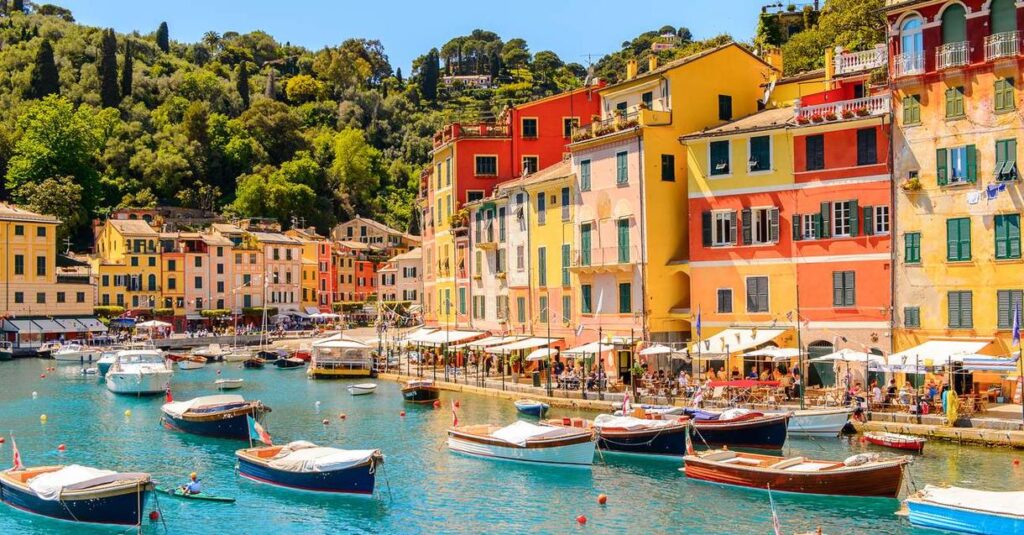
    Land in Genoa, pick up a car and visit the city (don’t miss the aquarium). Then the Riviera: Camogli, Santa Margherita Ligure, Rapallo and Portofino — see them all, or pick your favourites.

    Days 3–4 · 2 nights

    Cinque Terre

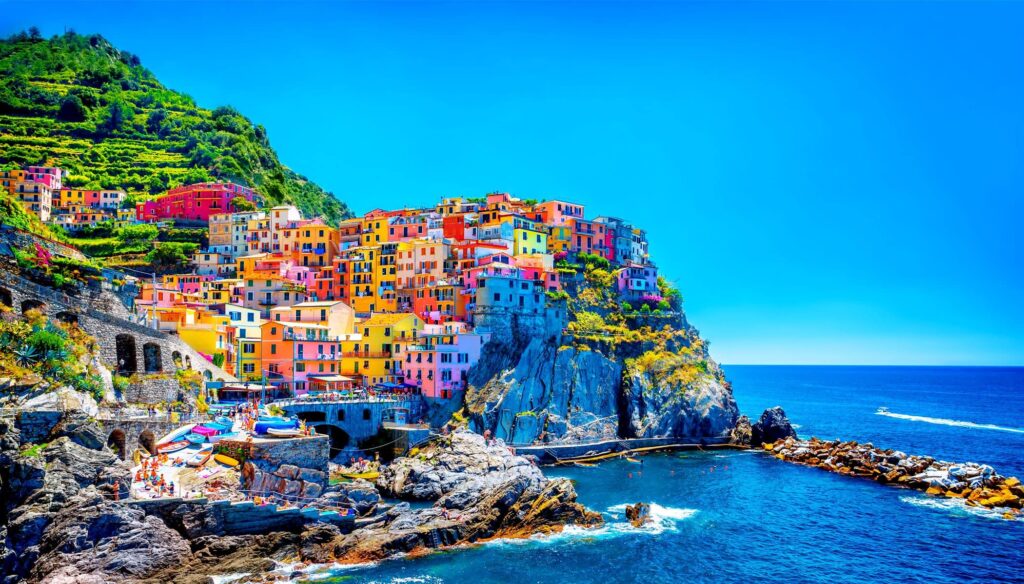
    Monterosso, Vernazza, Manarola and Riomaggiore — plus Portovenere nearby. Explore them on foot, by boat or by train.

    Day 5 · 1 night

    Pisa & Lucca

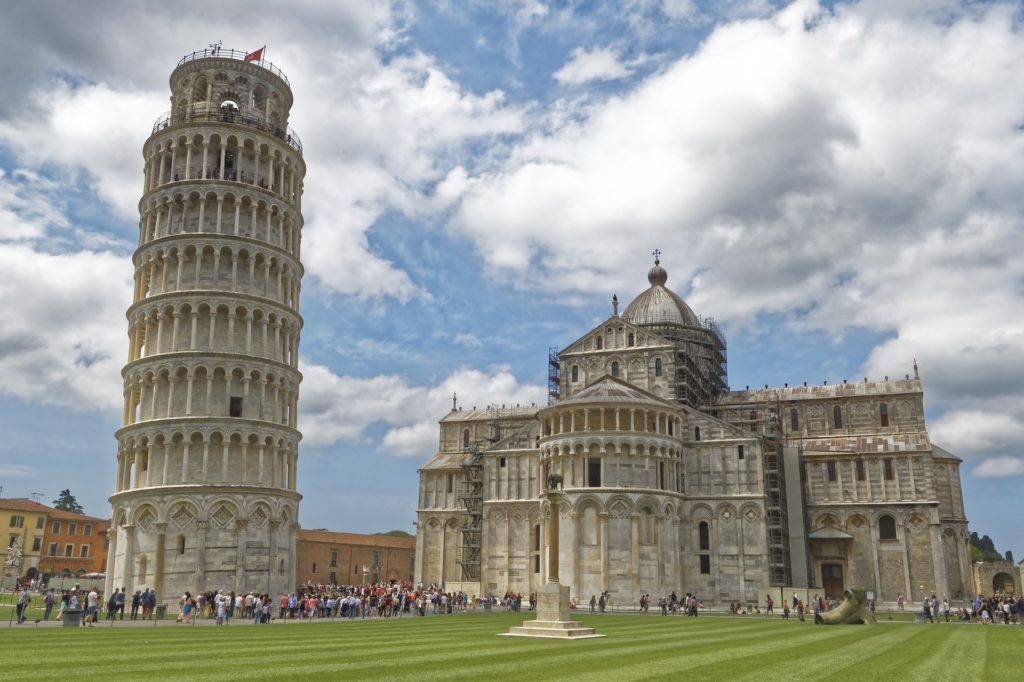
    An hour and a half south to Pisa and its leaning tower, then sleep inside the walls of Lucca.

    Days 6–7 · 2 nights

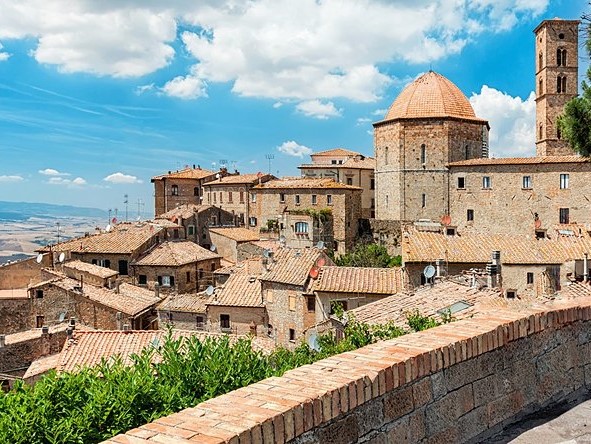
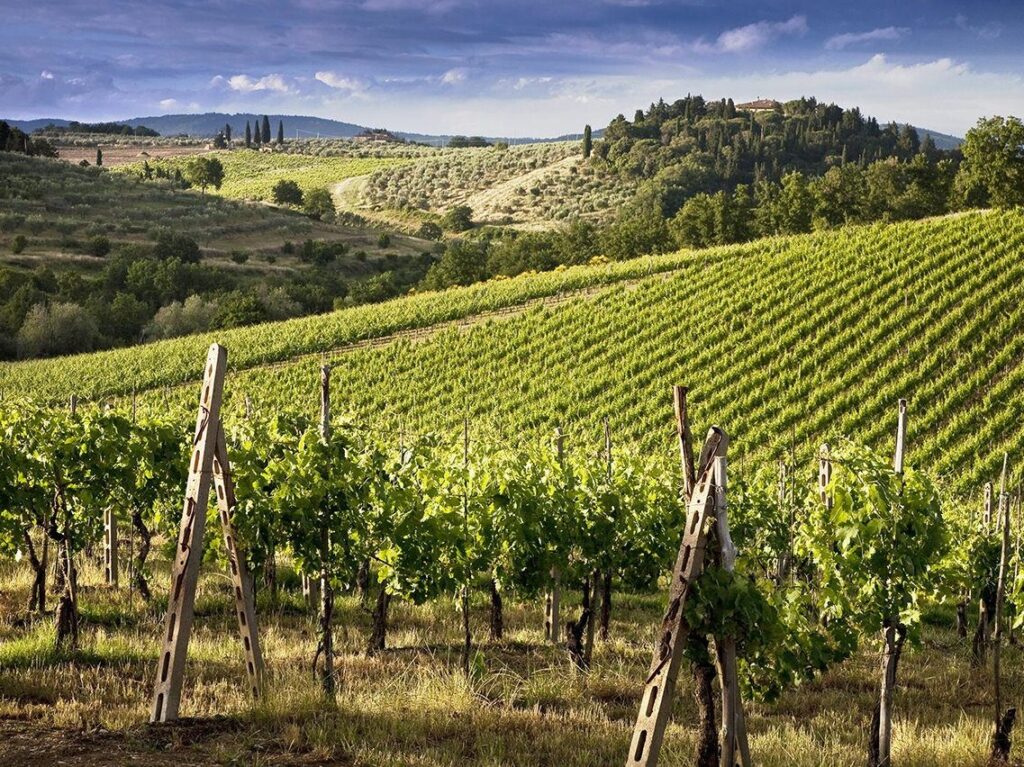
    Volterra, San Gimignano & a winery

    Volterra in the morning, then San Gimignano and its towers. Next day, spend the afternoon at a local winery — the countryside, the vineyard, the food and the wine are unforgettable.

    Days 8–9 · 2 nights

    Florence

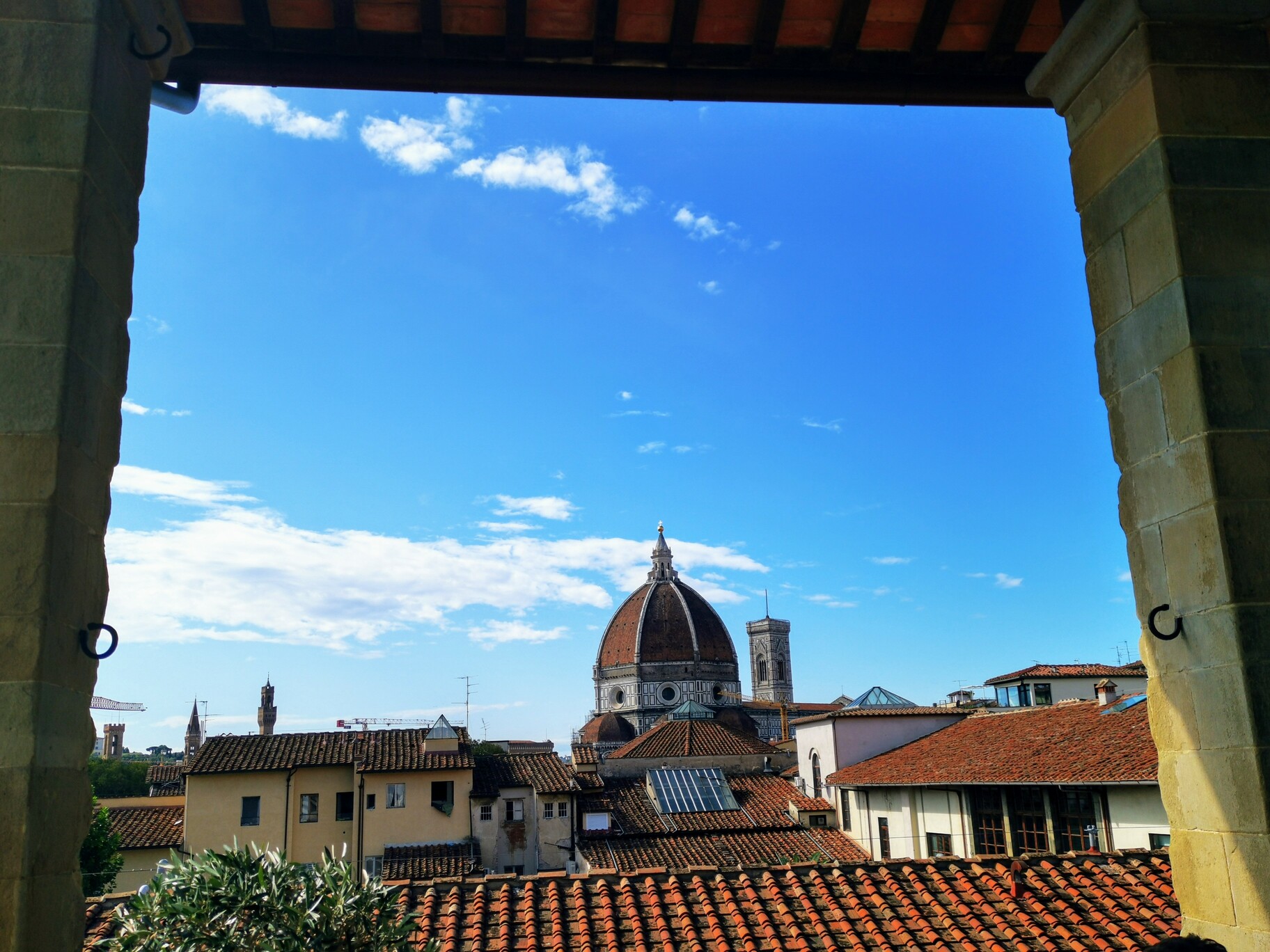
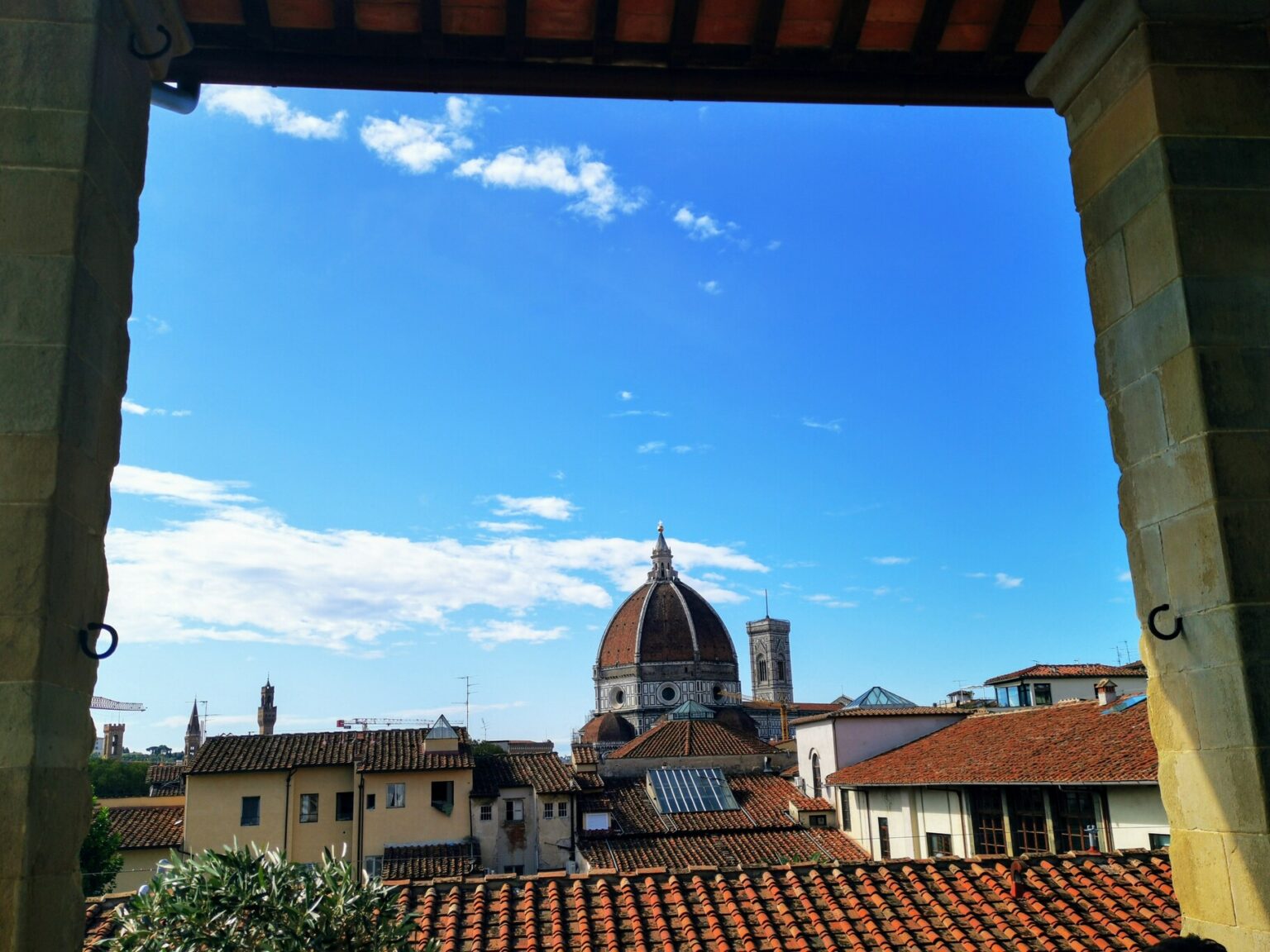
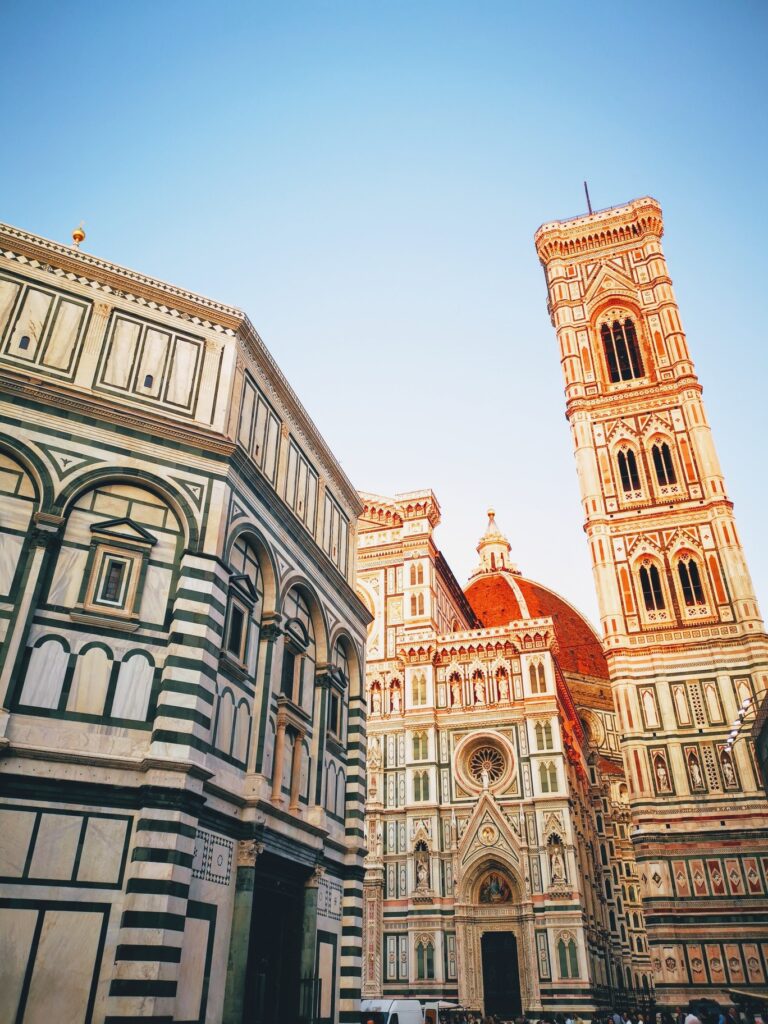
    The Duomo, Ponte Vecchio, Santa Croce, the Uffizi and the Accademia with Michelangelo’s David. Two days is the minimum.

    Days 10–11

    Arezzo, Siena & Montepulciano

    Arezzo in the morning and Siena in the afternoon. On the last morning, visit the great medieval town of Montepulciano before flying home from Florence or Rome.

    More time?

    Add a few days

    Saturnia

    Soak in the free hot springs of the Cascate del Mulino.

    Monte Argentario

    The sea and seafood of Porto Ercole and Porto Santo Stefano.

    When to go

    The best time to visit

    Spring and early autumn are ideal for walking the Cinque Terre and touring the hill towns. In summer, time your trip for the Palio di Siena on 2 July or 16 August.

    J
    F
    M
    A
    M
    J
    J
    A
    S
    O
    N
    D

    Best   Good   OK

    Before you go

    My top 3 tips

    01

    See the Palio di Siena

    A bareback horse race around Piazza del Campo on 2 July and 16 August — about 90 seconds of pure medieval drama, after the historic parade.

    02

    Buy the Cinque Terre Card

    The Cinque Terre Treno MS card covers the trains between Levanto and La Spezia and the coastal paths — buy it at any station.

    03

    Visit a winery

    Spend an afternoon among the vineyards around San Gimignano or Montepulciano.

    Tailor-made

    Want this trip, made for you?

    I’ll design your Tuscany trip — agriturismi, wine tastings, private guides in Florence and the best of the Riviera.

    Written by Graziano
    Travel designer & photographer

    Photo gallery

    Tuscany & Liguria through my lens
  • Sicily in 15 days: the complete road trip

    Sicily in 15 days: the complete road trip

    Destinations › Europe › Italy › Sicily
    Sicily in 15 days: the complete road trip

    Baroque towns, Greek temples, volcanic beaches and the best food in Italy — a full loop of the island by car, from Catania to Taormina.
    Duration

    15 days

    Best time

    May – June, Sep – Oct

    Getting around

    Rental car

    Start & finish

    Catania

    I travelled

    May 2019

    Sicily is the place I always recommend to friends who want to understand Italy: Greek temples and Baroque cathedrals, markets full of colour and noise, turquoise coves and an active volcano — and food so good you will want to share every plate.

    This is the loop we drove in two weeks, starting and ending in Catania, with the stops, the beaches and the dishes you should not miss.

    The route at a glance

    A full loop of the island

    Tap a stop on the map to jump to that part of the trip

    SICILYTyrrhenian SeaMediterranean SeaCatania – jump to the day1CataniaSiracusa – jump to the day2SiracusaNoto – jump to the day3NotoMarzamemi – jump to the day4MarzamemiRagusa & Modica – jump to the day5Ragusa & ModicaAgrigento – jump to the day6AgrigentoMarsala – jump to the day7MarsalaTrapani – jump to the day8TrapaniSan Vito lo Capo – jump to the day9San Vito lo CapoPalermo – jump to the day10PalermoCefalù – jump to the day11CefalùMessina – jump to the day12MessinaTaormina – jump to the day13TaorminaEtna – jump to the day14EtnaBy road

    Catania
    2 nights

    Agrigento
    2 nights

    Cefalù
    1 night

    Taormina
    3 nights

    Day by day

    The itinerary

    Days 1–2 · 2 nights

    Catania

    Land in Catania, pick up your rental car and settle in. Next day, explore the black-stone Baroque centre: the Cathedral of Sant’Agata and Piazza del Duomo, Via dei Crociferi, Porta Garibaldi and the Teatro Massimo Bellini.

    Days 3–4 · 2 nights near Noto

    Siracusa, Ortigia, Noto & Marzamemi

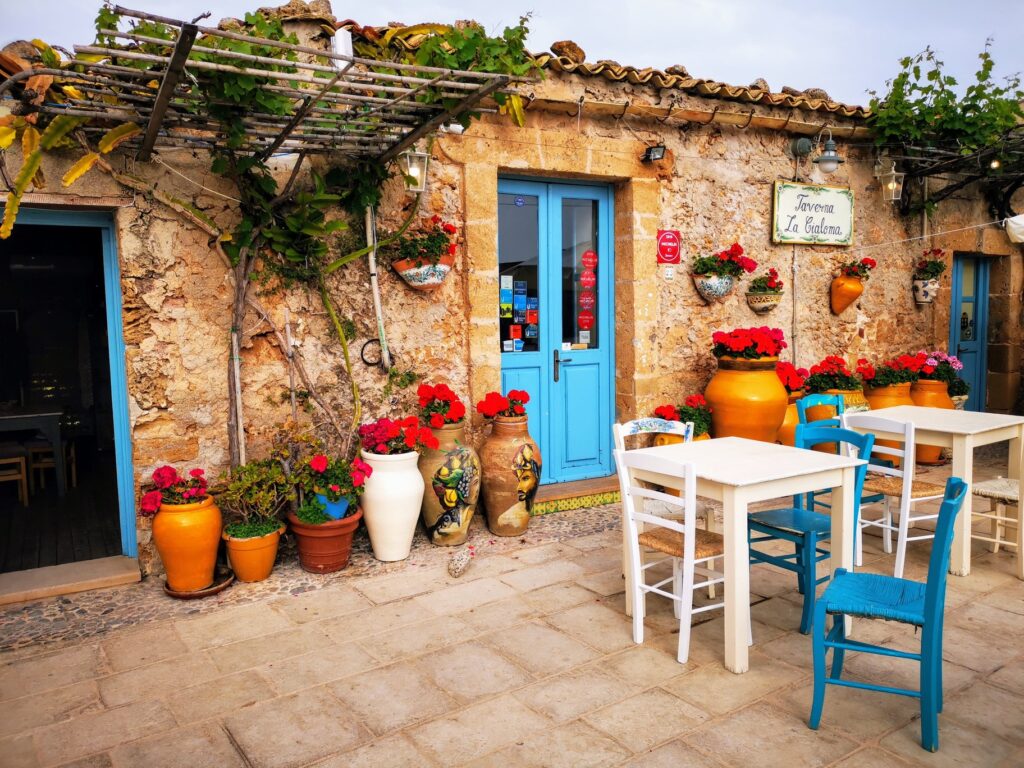
    Spend a day on the island of Ortigia in Siracusa, then explore the south-east corner: golden Baroque Noto, Pachino and the tiny fishing village of Marzamemi.

    Days 5–6 · 2 nights

    Modica, Ragusa & Agrigento

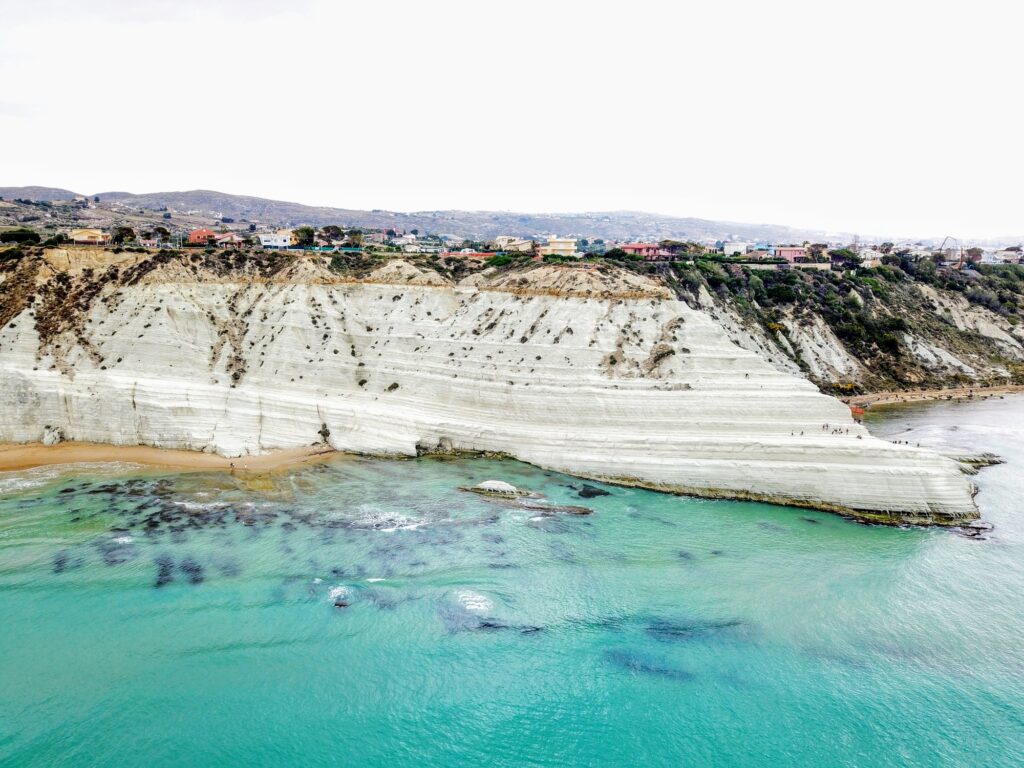
    Stop in Modica and Ragusa on the way west, with a detour to the mosaics of Piazza Armerina. In Agrigento, visit the Valley of the Temples first thing in the morning, then walk on the white cliffs of the Scala dei Turchi at sunset.

    Days 7–9 · 3 nights

    Sciacca, Marsala, Trapani & San Vito lo Capo

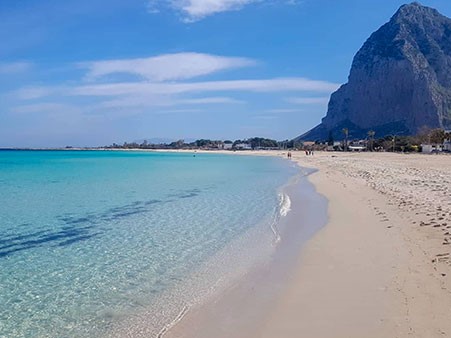
    Drive along the coast through Sciacca and Marsala to Trapani, then on to San Vito lo Capo. Spend two days on the beaches of San Vito and the coves of Scopello and the Zingaro reserve.

    Day 10 · 1 night

    Palermo & Cefalù

    A full day in Palermo — markets, churches, street food and the beach at Mondello — then sleep in the beautiful seaside town of Cefalù.

    Days 11–13 · 3 nights

    Capo d’Orlando, Messina & Taormina

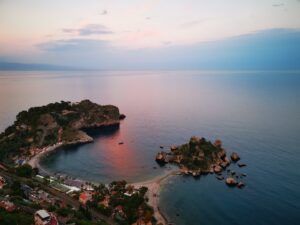
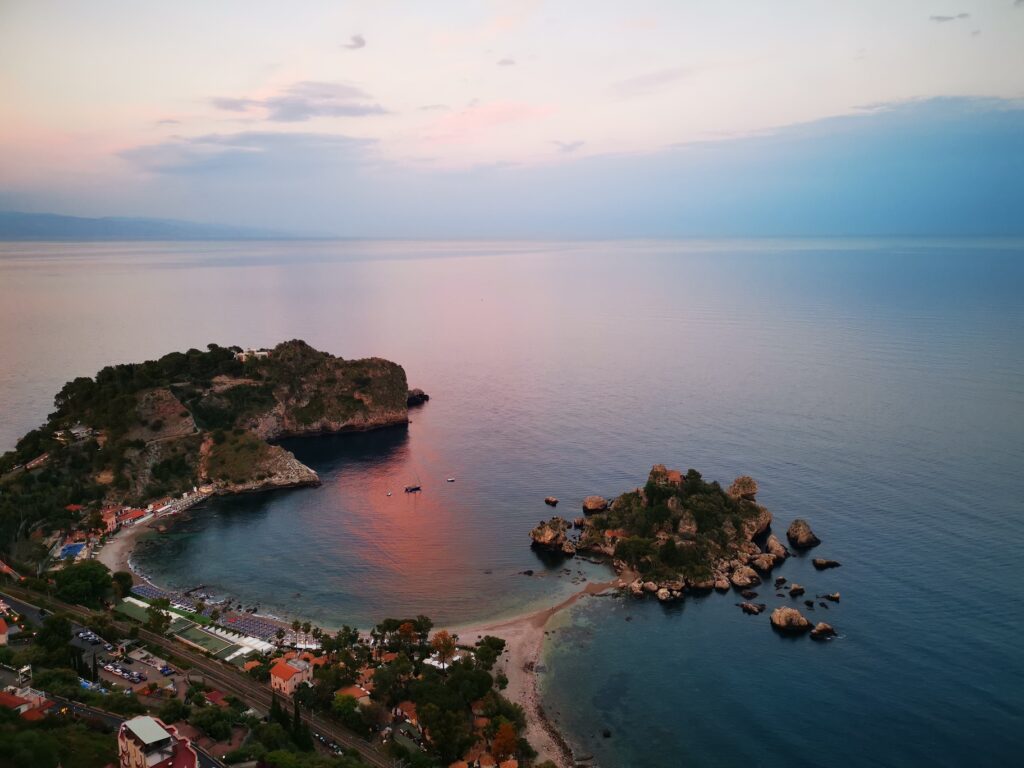
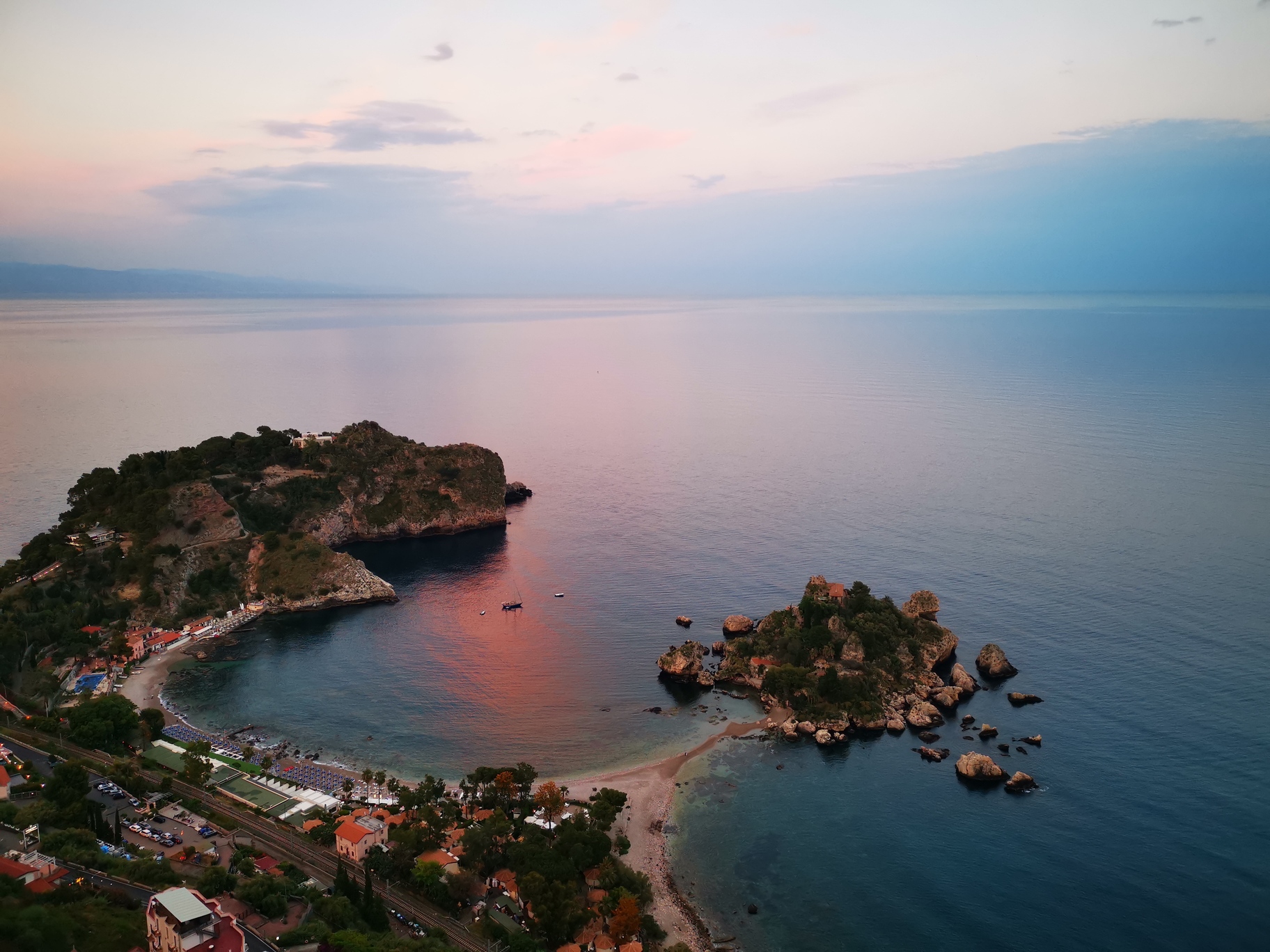
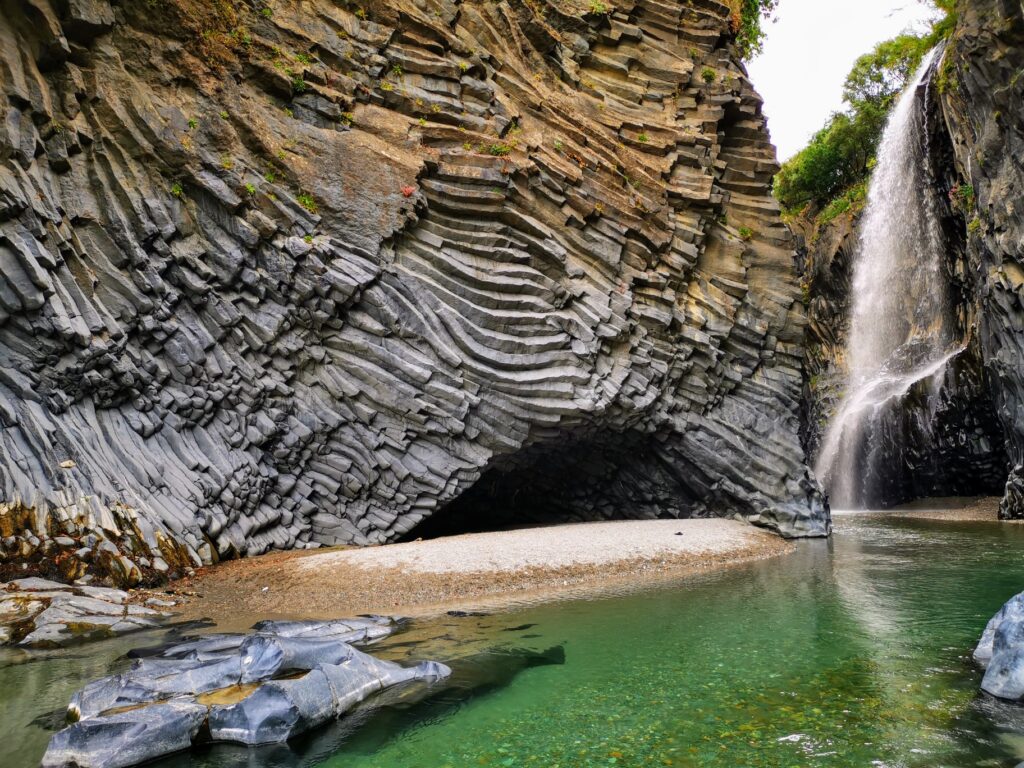
    Follow the northern coast to Capo d’Orlando and Messina, then two full days in Taormina: the Greek theatre, Corso Umberto and the little island of Isola Bella. Don’t miss the Alcantara gorge nearby.

    Days 14–15

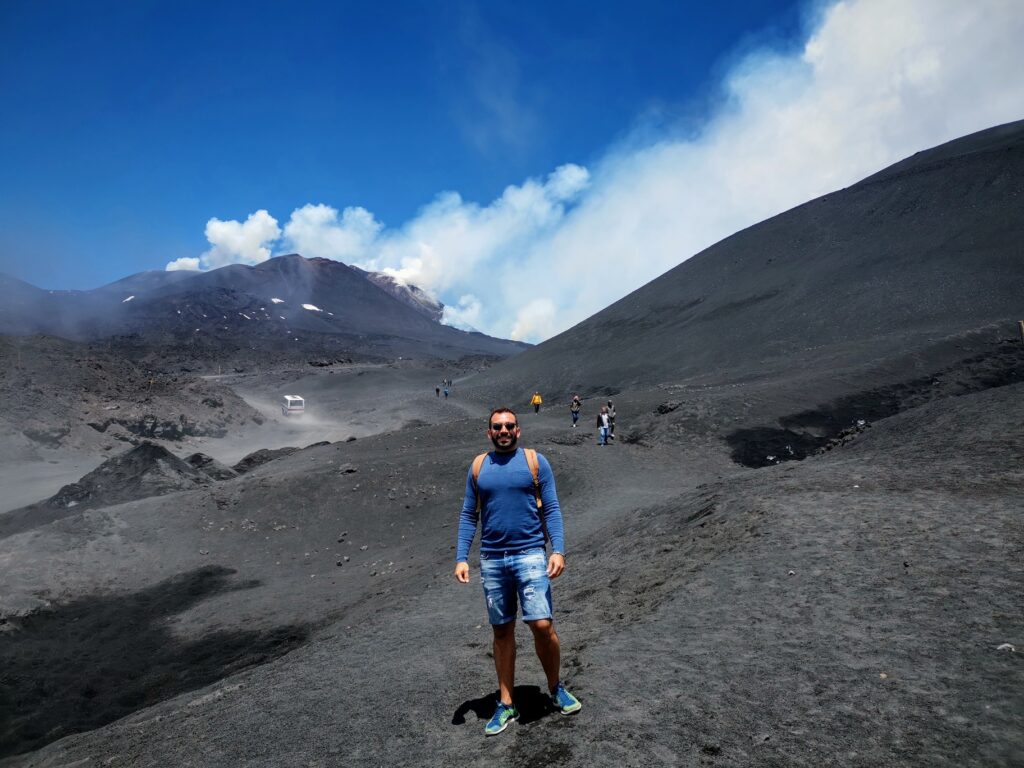
    Mount Etna & Aci Castello

    Hike on Mount Etna, Europe’s highest active volcano, and spend the last night near Catania. Before your flight, visit the castle and sea stacks of Aci Castello.

    More time?

    Islands to add

    Favignana

    A short ferry from Trapani: cycle between turquoise coves.

    The Aeolian Islands

    Ferries from Milazzo to Lipari, Vulcano and Stromboli — read my Lipari guide.

    When to go

    The best time to visit Sicily

    Late spring and early autumn are perfect: warm sea, long days and fewer crowds. July and August are very hot and busy.

    J
    F
    M
    A
    M
    J
    J
    A
    S
    O
    N
    D

    Best   Good   OK

    Before you go

    My top 3 tips for Sicily

    01

    Hire a car

    It’s the best way to see the island — public transport is slow and limited.

    02

    Share your plates

    Portions are huge: order one dish for two and taste more of the menu.

    03

    Visit the temples early

    Go to the Valley of the Temples first thing in the morning, before the heat and the crowds.

    What to eat

    Sicilian dishes you have to try

    Arancini

    Fried rice balls stuffed with ragù or butter and cheese.

    Granita & brioche

    The Sicilian breakfast — almond, pistachio or coffee granita.

    Pasta alla Norma & cannoli

    Aubergine, tomato and salted ricotta — then a real Sicilian cannolo.

    Tailor-made

    Want this trip, made for you?

    I’ll design your Sicily road trip — car hire, the best hotels and masserie, boat trips and the restaurants I love.

    Written by Graziano
    Travel designer & photographer

    Graziano
    Ciao, I’m GrazianoTravel designer and general manager of an Italian tour operator — I’ve travelled to 40+ countries since 2008.More about me →

    Photo gallery

    Sicily through my lens